

Blog / Knowledge Center

Toyota Tires and Wheels: A Buyer’s Guide for Optimal Performance

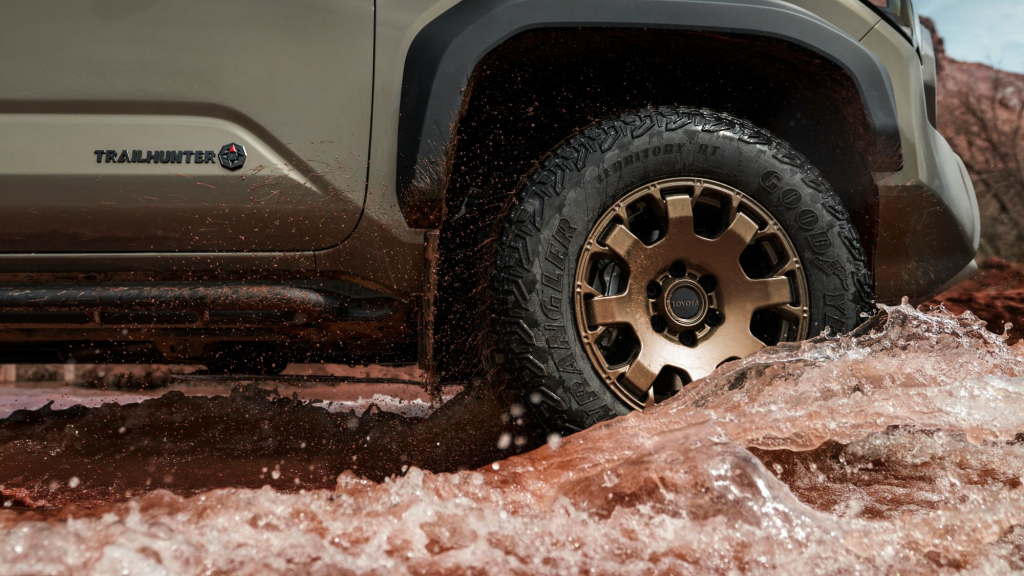
When selecting tires for your Toyota, it's crucial to consider the tread design and performance characteristics to ensure optimal traction and handling in various driving conditions. Explore options such as all-season, summer, or winter tires, each designed to excel in specific weather conditions. Refer to your vehicle's owner's manual or consult with a tire expert at Gresham Toyota to determine the ideal tire type and size for your Toyota model.

3. Tire Brand and Quality

Choose reputable tire brands known for their quality, durability, and performance. At Gresham Toyota, we offer a selection of genuine Toyota tires and top-rated brands to ensure that you get the best quality and value for your vehicle. Explore our inventory and consult with our tire experts to find the perfect tires for your Toyota.

4. Wheel Material and Construction

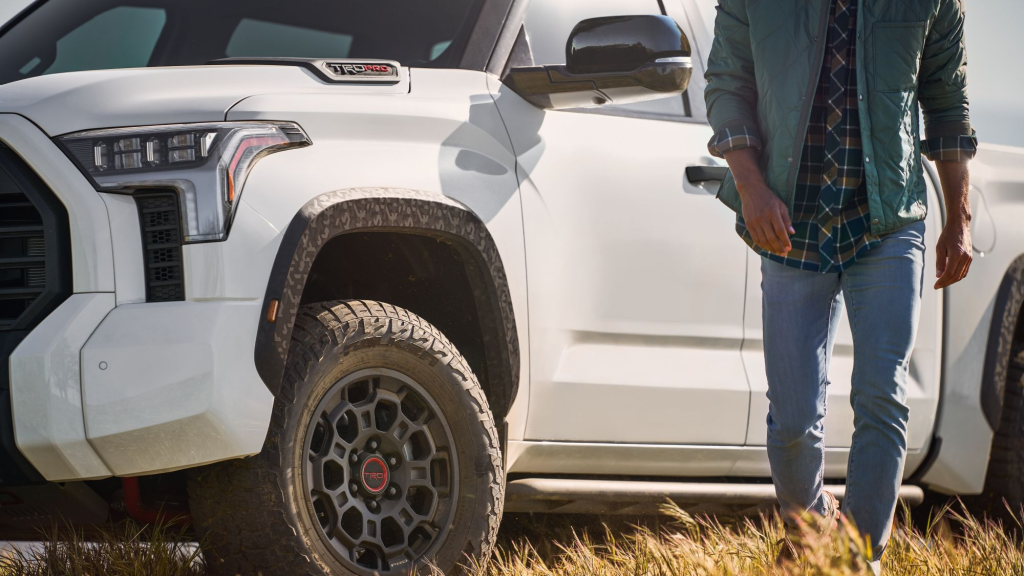
When selecting wheels for your Toyota, consider factors such as material, construction, and design to achieve the desired aesthetic and performance. At Gresham Toyota, we offer a variety of genuine Toyota wheels and aftermarket options to suit your style and preferences. Browse our selection online or visit our showroom to explore our range of wheels and accessories for your Toyota.

5. Wheel Size and Fitment

Ensure that the wheels you choose are the correct size and fitment for your Toyota to prevent fitment issues and ensure proper handling and clearance. At Gresham Toyota, our experienced technicians can help you select the right wheels for your Toyota model and ensure a perfect fit. Schedule a consultation or visit our service center to explore your options and customize your Toyota with the perfect wheels.

6. Performance and Handling

Consider how different tire and wheel combinations will affect your Toyota's performance, handling, and ride quality. At Gresham Toyota, we understand the importance of balancing performance and comfort. Our experts can recommend tire and wheel combinations that enhance your Toyota's performance while maintaining a smooth and comfortable ride. Visit us today to explore our selection and elevate your driving experience.

7. Maintenance and Care

After selecting and installing tires and wheels for your Toyota, proper maintenance and care are essential for ensuring optimal performance and longevity. At Gresham Toyota, our service center offers tire services, wheel alignments, and maintenance packages to keep your tires and wheels in top condition. Schedule a service appointment today and trust our certified technicians to keep your Toyota rolling smoothly for miles to come.

Whether you're looking for new tires, wheels, or accessories for your Toyota, Gresham Toyota has you covered. Explore our website or visit our showroom to discover our wide range of genuine Toyota parts, accessories, and services designed to enhance your driving experience.

Posted in:

Related Posts

Protecting Your Toyota from Salt and Rust in Winter

Winter's arrival brings festive cheer, cozy nights by the fire, and… unfortunately, harsh road salt that wreaks havoc on your Toyota. Don't let the battle against rust leave your car looking worse for wear! At Gresham Toyota, we're here to equip you with the knowledge and tips to shield your beloved vehicle from the winter blues. Here's your arsenal against the salty enemy: Regular Washing: This is your frontline defense. Rinse away the salt build-up as often as possible, especially after snowstorms. Don't just focus on the body; target the undercarriage too! Undercarriage Protection: Consider an undercoating spray or coating service if you live in an area with heavy salt usage. This creates a barrier against the corrosive elements. Touch Up Those Chips: Exposed metal is an open invitation for rust. Address paint chips, scratches, and dings promptly with touch-up paint or clear coat to prevent further damage. Wax On, Rust Off: A good coat of wax adds a protective layer, repelling water and salt from clinging to your car's surface. Floor Mats Matter: Rubber floor mats trap salt, dirt, and moisture, preventing them from reaching your car's interior and potentially causing corrosion. Smart Parking: Whenever possible, park in a covered area or garage to minimize exposure to the elements. Post-Winter Pampering: Don't neglect your car once the snow melts. Give it a thorough wash and inspection, paying close attention to areas where salt might have accumulated. Address any concerns promptly to prevent long-term damage. Bonus Tip: Invest in a car cover specifically designed for winter protection. It shields your car from snow, ice, and salt, further minimizing the risk of rust. Remember, prevention is key! By incorporating these simple yet effective steps into your winter routine, you can ensure your Toyota navigates the snowy season with confidence and emerges rust-free in the spring. Visit Gresham Toyota today! Our service experts can provide personalized advice, high-quality car care products, and professional services to keep your Toyota looking its best, season after season.

All-Weather Tires vs. Seasonal: What’s Best for Your Toyota?

Choosing the right tires for your Toyota is crucial for safety, performance, and fuel efficiency. But with options like all-weather and seasonal tires, the decision can be tricky. Let's break down the pros and cons of each to help you make an informed choice: All-Weather Tires: Pros: Convenience: Eliminate the hassle of seasonal tire changes. Versatility: Perform adequately in most weather conditions, including light snow and rain. Durability: Typically last longer than seasonal tires. Cons: Compromise: Don't excel in any specific weather condition like dedicated winter or summer tires. Noise: Can be noisier than seasonal tires, especially on dry pavement. Fuel Efficiency: May not be as fuel-efficient as dedicated summer tires. Seasonal Tires: Pros: Performance: Dedicated winter and summer tires offer superior performance in their respective seasons, enhancing safety and handling. Fuel Efficiency: Summer tires are optimized for fuel efficiency in warm weather, while winter tires prioritize traction in cold conditions. Cost-Effectiveness: Can be more cost-effective in the long run, as they last longer when used seasonally. Cons: Inconvenience: Requires twice-yearly tire changes, adding cost and hassle. Storage: Requires dedicated storage space for unused tires. Initial Cost: Purchasing two sets of tires can be more expensive upfront than all-weather tires. So, which is right for you? It depends on your driving habits and climate: Choose All-Weather tires if: You live in a mild climate with occasional snow and rain. Convenience is a priority and you don't mind a slight compromise in performance. You drive moderately and fuel efficiency is not a major concern. Choose Seasonal tires if: You experience harsh winters with significant snowfall and icy roads. You prioritize optimal performance and safety in each season. You drive frequently and fuel efficiency is important.

Seasonal Safety: Adapting Toyota’s Driving Aids Year-Round

Your Toyota comes equipped with an impressive arsenal of driving aids, but their effectiveness can vary depending on the season. At Gresham Toyota, we're committed to your safety year-round, so let's explore how to optimize your Toyota's technology for each season: Spring Showers: Pre-Collision System (PCS): Ensure the sensor isn't obscured by dirt or debris accumulated over winter. Test its functionality to guarantee it detects potential hazards in rainy conditions. Lane Departure Alert (LDA): Be mindful that lane markings might be faded or obscured by water puddles. Consider temporarily deactivating LDA if it triggers excessively due to unclear lane lines. Rain Sensor: This automatically adjusts wiper speed based on rainfall intensity. Test its sensitivity and adjust if needed for optimal visibility. Summer Sun: Blind Spot Monitor (BSM): Sun glare can sometimes affect sensor performance. Be extra cautious when changing lanes, even if BSM doesn't alert you of a vehicle. Rear Cross-Traffic Alert (RCTA): Park in shaded areas when possible to minimize sensor interference from sunlight reflecting off parked cars. High Beam Assist: This automatically switches between high and low beams. However, manually switch to low beams if oncoming traffic seems bothered by glare. Autumn Leaves: Automatic Emergency Braking (AEB): Be aware of slippery surfaces caused by fallen leaves. Reduce speed and increase following distance, even if AEB is active. Adaptive Cruise Control (ACC): Maintain a larger following distance than usual on slick roads, as ACC might not react instantly to sudden hazards like fallen branches. Traction Control (TC): This system helps maintain control on slippery surfaces. However, remember it's not a substitute for cautious driving. Winter Wonderland: PCS: Ensure the sensor is clear of snow and ice. Remember, its effectiveness might be reduced in heavy snowfall. LDA: Deactivate LDA on snowy roads, as lane markings might be completely invisible. Rely on visual cues and adjust your driving accordingly. Hill Start Assist (HSA): This prevents rollback on inclines. However, use it in conjunction with proper braking techniques, especially on icy hills. Remember: Driving aids are valuable tools, but they shouldn't replace responsible driving habits. Adapt your behavior to the season, stay alert, and don't rely solely on technology. At Gresham Toyota, your safety is our top priority. Visit us for expert advice on maintaining your Toyota's driving aids and ensuring they function optimally throughout the year.