


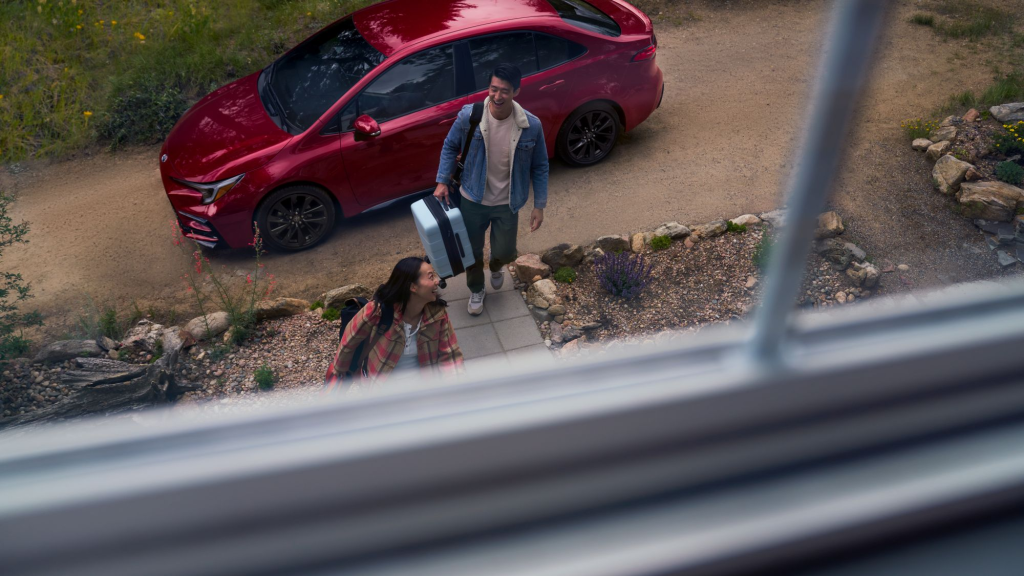
As your teen prepares to hit the road, ensuring their safety behind the wheel becomes a top priority. Toyota actively recognizes this responsibility, offering various resources and initiatives to empower young drivers and promote safe driving habits. Let’s explore how Toyota supports teen drivers and their families:
Safety Features in Every Toyota:
- Standard Toyota Safety Sense (TSS): This suite of active driver-assistance systems including automatic emergency braking, lane departure warning, and adaptive cruise control comes standard on most Toyota models, providing additional layers of protection for inexperienced drivers.
- Star Safety System: Every Toyota incorporates this comprehensive passive safety system comprising airbags, seatbelts, and a high-strength body structure, minimizing injury risk in case of an accident.
Going Beyond Standard Features:
- Toyota Driving Expectations: This free program offers behind-the-wheel training in a controlled environment, exposing teens to real-world scenarios and teaching defensive driving techniques. Parents are encouraged to attend, fostering open communication and establishing clear expectations.
- TeenDrive365: This online resource hub provides educational materials, interactive activities, and safety tips aimed at both teens and parents. It encourages ongoing learning and dialogue about responsible driving habits.
Additional Resources:
- Toyota Safety Hub: This online platform offers comprehensive information on Toyota’s safety features, technologies, and initiatives, empowering informed car buying decisions.
- National Highway Traffic Safety Administration (NHTSA): This government agency provides valuable resources and statistics on teen driving safety, including educational materials and tips for parents.
Remember:
- Open communication is key: Talk openly with your teen about the responsibilities of driving, emphasizing safe practices and setting clear expectations.
- Lead by example: Practice safe driving habits yourself, demonstrating responsible behavior behind the wheel.
- Gradual progression: Start with supervised driving in low-risk environments, gradually increasing complexity as your teen gains experience and confidence.
By combining the safety features of Toyota vehicles with educational resources and open communication, you can equip your teen driver with the knowledge and skills necessary to navigate the road with confidence and responsibility. With Toyota’s commitment to teen safety, you can have peace of mind knowing your young driver is well-prepared for the journey ahead.
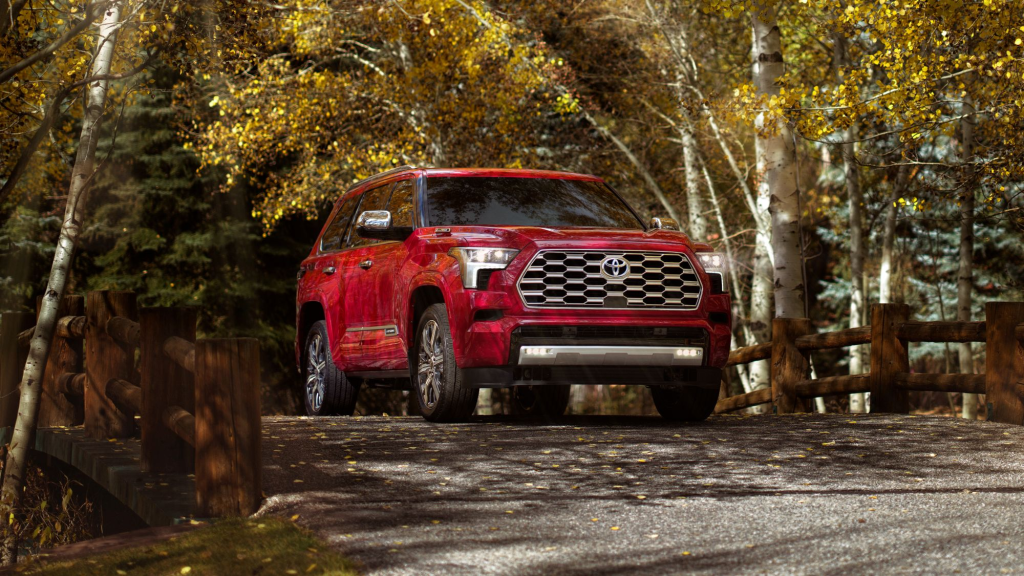
Camping with your family can be an amazing way to bond, explore nature, and create lasting memories. With your trusty Toyota ready, here’s your guide to planning the perfect adventure:
Destination Decisions:
- National Parks and Forests: Immerse yourselves in stunning landscapes with established amenities like campsites, bathrooms, and sometimes even showers.
- State Parks and Campgrounds: Often more affordable and less crowded than national parks, offering similar amenities and diverse natural settings.
- Hipcamp or dispersed camping: Seek private land rentals or designated areas for a more rustic, off-the-grid experience (research regulations beforehand).
Toyota Tweaks:
- Cargo and Gear: Utilize roof racks, cargo boxes, or trailers if needed for bulky equipment like tents, coolers, and chairs. Consider packing lighter alternatives or renting gear if space is limited.
- Comfort and Convenience: Maximize comfort with seat covers, portable fans, and sunshades. Pack organizers for easy access to essentials.
- Safety Essentials: Include a first-aid kit, emergency flares, jumper cables, and a flashlight. Download offline maps and apps for backup navigation.
Family Fun in the Wild:
- Activities Galore: Plan hikes, swimming, fishing, campfire stories, nature scavenger hunts, or board games under the stars. Adjust activities based on your family’s interests and ages.
- Tech Timeout: Encourage outdoor exploration and limit screen time. Opt for educational apps or audiobooks for occasional use.
- Mealtime Magic: Plan simple, nutritious meals like sandwiches, salads, and campfire cooking. Invest in a cooler with ice packs or a portable camping stove for flexibility.
Remember:
- Leave No Trace: Respect the environment by practicing responsible camping principles like minimizing waste, using established fire pits, and respecting wildlife.
- Weather Check: Prepare for changing weather conditions with appropriate clothing and gear. Stay updated on local forecasts.
- Safety First: Supervise children closely near water and campfires. Be mindful of potential hazards like insects, poison ivy, and uneven terrain.
Bonus Tips:
- Involve kids in planning activities and packing to build excitement.
- Pack multi-purpose items like bandanas, sarongs, and carabiners for added functionality.
- Capture memories with photos, videos, or nature journals.
Child Safety Seats and Your Toyota: A How-To Guide
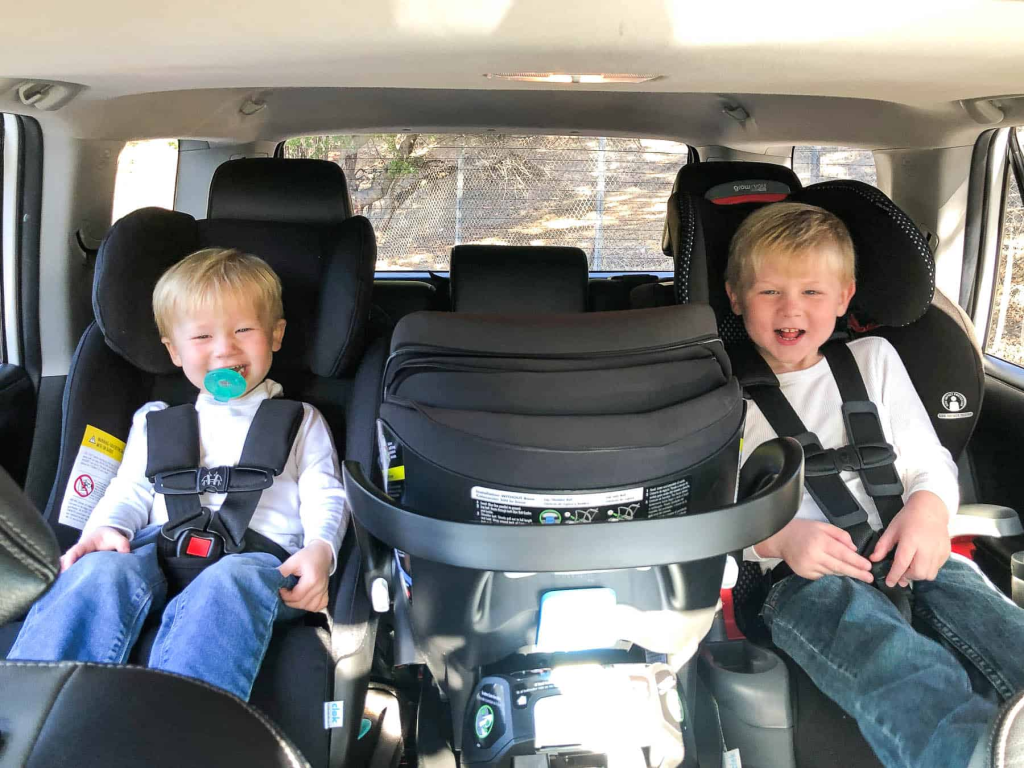
Choosing the Right Seat:
- Match your child’s development: Select a seat based on their height, weight, and maturity. Refer to the manufacturer’s label for specific limits.
- Seat types: Choose between rear-facing infant seats, forward-facing toddler seats, and booster seats depending on your child’s stage.
- Compatibility check: Ensure the seat fits your Toyota’s LATCH system (preferred) or seat belt system. Consult your car’s manual or use a child seat fitting tool.
Installation Steps:
- Read the manual carefully: Every seat has unique instructions, so follow the specific guide for your model.
- LATCH or seat belt: Utilize the LATCH system if available. Otherwise, securely anchor the seat using the seat belt.
- Tightness is key: Ensure the seat is firmly installed with minimal movement (less than an inch in any direction). Check by pulling on the base near the harness.
Additional Tips:
- Register your seat: Registering with the manufacturer keeps you updated on safety recalls and important information.
- New seats only: Avoid using second-hand seats due to unknown history. Purchase a new seat from a reputable retailer.
- Practice installation: Before hitting the road, practice installing and removing the seat to ensure proficiency.
Remember, your child’s safety is paramount. If you have any doubts or concerns, consult a certified child passenger safety technician for assistance.
The Best Toyota Models for Growing Families
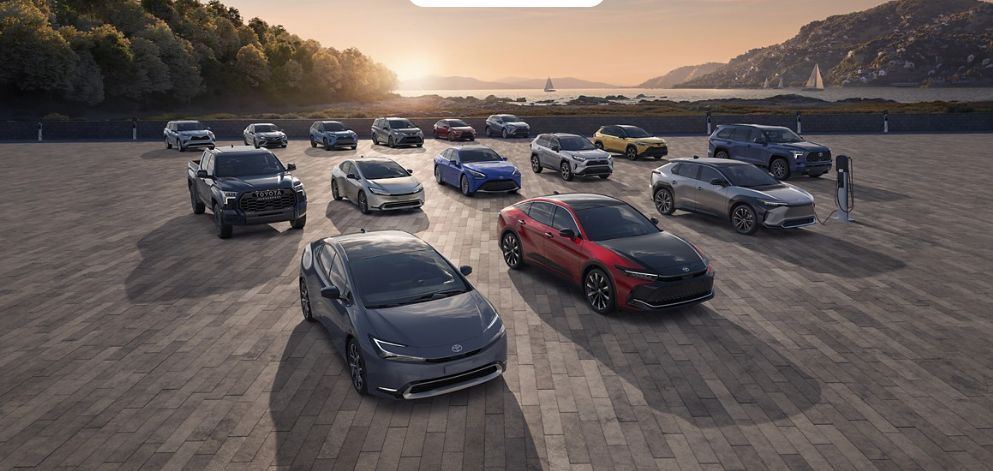
Compact SUVs:
- Toyota RAV4: Popular choice for small families, fuel-efficient, comfortable ride, plenty of cargo space, standard safety features, available in hybrid and gasoline models.
- Toyota C-HR: Stylish, fun-to-drive, spacious interior for its size, standard infotainment system, limited cargo space.
Mid-size SUVs:
- Toyota Highlander: Seats up to eight passengers, spacious interior, ample cargo space, smooth ride, available in hybrid and gasoline models.
- Toyota 4Runner: Rugged, excels in off-roading, spacious interior, towing capacity of 6,500 pounds, lower fuel economy.
Minivans:
- Toyota Sienna: Spacious, comfortable, seats up to eight passengers, flexible interior with plenty of cargo space, smooth ride, available in hybrid model for excellent fuel economy.
Additional factors:
- Budget: Toyota models range in price, choose one that fits your budget.
- Features: Consider sunroof, rear-seat entertainment system, advanced driver-assistance systems.
- Fuel efficiency: Consider a hybrid model if it’s important.
- Test drive: Test drive several models to find the best fit for your family.
Toyota offers a variety of models perfect for growing families, focusing on safety, reliability, and comfort.
Family Road Trip Checklist for Your Toyota
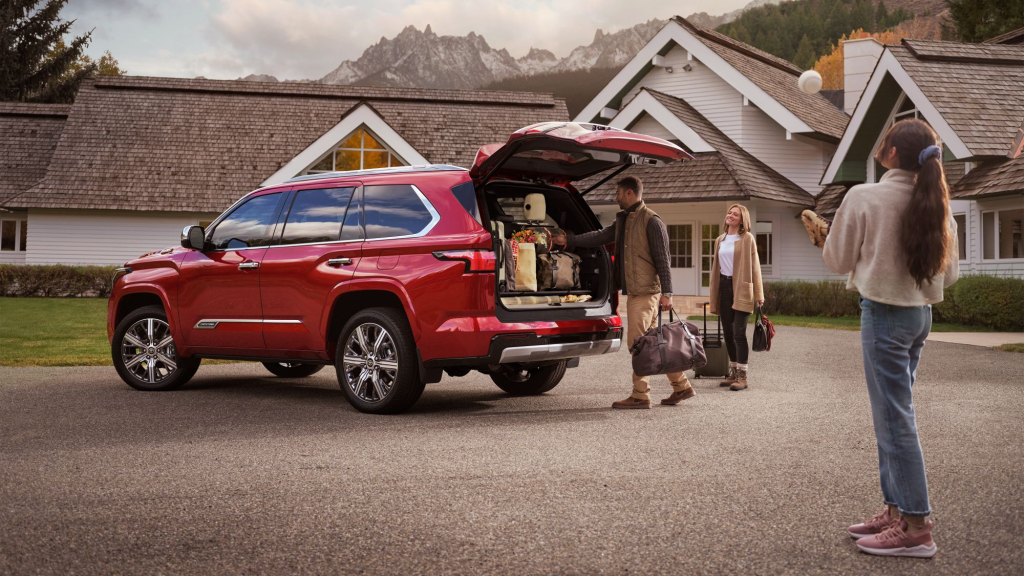
Embarking on a family road trip with your Toyota can be an exciting adventure, but preparation is key to ensuring a smooth and enjoyable journey. Here’s a comprehensive checklist to tick off before you hit the road:
Pre-Trip Essentials:
Vehicle:
- Schedule a maintenance check: Ensure your Toyota is in top shape by getting a professional checkup, addressing any fluid changes, tire rotations, or minor repairs.
- Inspect tires: Check tire pressure (including the spare) and tread depth for safe driving conditions.
- Clean and organize: Declutter the interior and pack strategically to maximize space and accessibility. Utilize cargo organizers if needed.
- Prepare an emergency kit: Include essential items like jumper cables, a flashlight, first-aid kit, non-perishable snacks, and bottled water.
Essentials for the Family:
- Pack for everyone: Don’t forget clothes, toiletries, medications, and any necessary personal items for each family member. Consider weather conditions and planned activities.
- Entertainment galore: Pack books, games, tablets with offline content, portable DVD players, or download kid-friendly apps on your Toyota’s infotainment system. Don’t forget chargers!
- Comfort zone: Pack pillows, blankets, and neck pillows for added comfort during long journeys.
- Snacks and hydration: Pack plenty of healthy and non-messy snacks for the entire family, along with reusable water bottles to stay hydrated.
Hitting the Road:
- Plan your route: Choose a route that suits your family’s needs and interests, incorporating rest stops and interesting detours.
- Map it out: Utilize your Toyota’s navigation system or offline maps to avoid getting lost.
- Share the responsibility: Get everyone involved in planning activities, music selection, and even navigating (with adult supervision!) to create a shared experience.
- Safety first: Ensure all passengers are properly buckled up throughout the journey. Take regular breaks to stretch, avoid drowsy driving, and obey traffic rules.
Additional Tips:
- Utilize Toyota’s features: Take advantage of your Toyota’s entertainment system, comfortable seating, and spacious cargo capacity to make the journey more enjoyable.
- Embrace spontaneity: Be open to unplanned detours or exploring hidden gems along the way.
- Make memories: Capture photos, videos, and journal entries to create lasting memories of your family adventure.
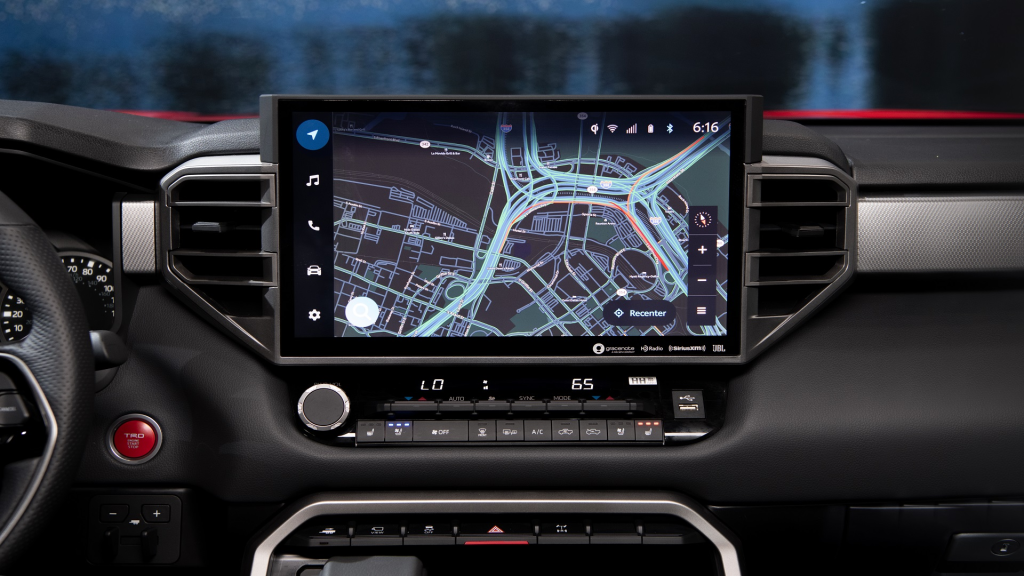
Keeping kids entertained on long road trips can feel like an uphill battle. But fear not, weary parents! Toyota offers a variety of entertainment features to transform your car into a fun zone for the little ones, making those journeys more enjoyable for everyone. Buckle up and explore the options:
Built-in Entertainment Systems:
- Rear-seat entertainment systems: Many Toyota models, like the Sienna minivan and Highlander SUV, offer rear-seat entertainment systems with DVD players, Blu-ray players, or touchscreen displays. These systems allow kids to watch movies, play games, or even connect to their own devices through HDMI ports.
- Premium audio systems: Upgrade your sound system for an immersive listening experience. Brands like JBL® offer crisp sound quality, perfect for enjoying singalongs and audiobooks together.
- Connected car features: Some Toyota models have Wi-Fi hotspot capabilities, allowing kids to connect to their tablets or smartphones for streaming, gaming, or online activities. Remember to set data usage limits beforehand!
Tech-Savvy Solutions:
- Toyota App Suite: Download apps like Entune™ 3.0 with Connected Services, which offer access to kid-friendly content like audiobooks, podcasts, and even educational games.
- Tablet holders and mounts: Securely mount tablets to headrests or seatbacks, transforming them into personal entertainment screens. Remember to choose age-appropriate content and encourage breaks to prevent eye strain.
- Portable DVD players: These classic options offer a wide selection of movies and shows to keep kids entertained for hours.
Beyond the Screen:
- Travel games and activities: Pack classic car games like I Spy, license plate bingo, or word games to keep everyone engaged without relying solely on screens.
- Singalongs and storytelling: Create a fun atmosphere by belting out favorite tunes or taking turns telling stories.
- Roadside detours: Break up the journey with interesting stops at parks, rest areas, or roadside attractions. Stretch your legs, explore new sights, and create lasting memories.
Remember:
- Safety first: Ensure all child passengers are properly buckled up before setting off.
- Balance screen time with other activities: Encourage physical activity, interaction, and imagination to prevent screen fatigue.
- Adapt to different ages: Cater your entertainment choices to the ages and interests of your children.
- Enjoy the journey: With a little planning and these handy features, road trips can be fun and memorable experiences for the whole family.
Toyota’s Top Safety Rated Vehicles for Family Travel
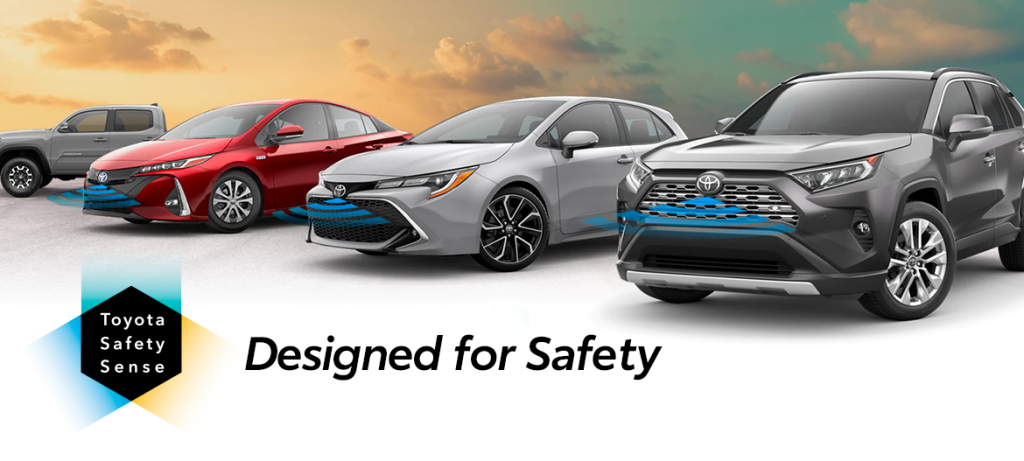
Choosing the safest vehicle for your family is undoubtedly a top priority. With its commitment to safety innovation, Toyota consistently ranks high in safety ratings, offering several excellent options for family travel. Here are some of Toyota’s top safety-rated vehicles, categorized by size and needs:
Sedans:
- Toyota Camry: This mid-size sedan boasts a five-star NHTSA overall safety rating and the IIHS Top Safety Pick+ award for 2024. It comes equipped with Toyota Safety Sense 2.5+ (TSS 2.5+), a suite of advanced driver-assistance systems (ADAS) including automatic emergency braking with pedestrian detection, lane departure warning, and adaptive cruise control.
- Toyota Avalon: This full-size sedan also holds a five-star NHTSA overall safety rating and the IIHS Top Safety Pick+ award for 2024. It offers additional features like blind-spot monitoring with rear cross-traffic alert and a surround-view camera system, enhancing peace of mind while maneuvering in tight spaces.
SUVs:
- Toyota RAV4: This compact SUV earns a five-star NHTSA overall safety rating and the IIHS Top Safety Pick award for 2024. Available in hybrid and gasoline models, it offers ample cargo space for family adventures and comes standard with TSS 2.5+.
- Toyota Highlander: This mid-size SUV shines with a five-star NHTSA overall safety rating and the IIHS Top Safety Pick+ award for 2024. It comfortably seats up to eight passengers and boasts a spacious interior, perfect for road trips with the whole family. Standard TSS 2.5+ ensures a safe and confident driving experience.
- Toyota Sequoia: This full-size SUV prioritizes safety with a five-star NHTSA overall safety rating and the IIHS Top Safety Pick award for 2024. It offers unparalleled passenger and cargo space, making it ideal for large families or frequent outdoor adventures. TSS 2.5+ comes standard, along with additional features like a surround-view camera and rear cross-traffic alert.
Minivans:
- Toyota Sienna: This versatile minivan holds a five-star NHTSA overall safety rating and the IIHS Top Safety Pick+ award for 2024. It boasts comfortable seating for up to eight passengers, flexible cargo configurations, and standard TSS 2.5+. The available rear entertainment system keeps kids entertained on long journeys, while features like a panoramic moonroof and heated seats enhance overall comfort.
Additional Considerations:
- Your family’s size and needs: Consider how many passengers and how much cargo space you typically require.
- Budget: Prices vary depending on the model and trim level.
- Fuel efficiency: If fuel economy is a concern, consider hybrid options like the Camry Hybrid or RAV4 Hybrid.
- Features: Decide which features are most important for your family, such as sunroof, entertainment system, or additional safety features.

As the Internet of Things (IoT) revolutionizes various industries, the automotive sector is experiencing a significant transformation. Toyota, a leader in automotive innovation, is at the forefront of this change, integrating IoT technologies into its vehicles to create a more connected, personalized, and safer driving experience. Let’s explore how Toyota’s embrace of IoT is shaping the future of driving:
From Cars to Connected Ecosystems:
Traditional cars were simply modes of transportation. Today, Toyota envisions vehicles as connected hubs within a broader ecosystem. Through IoT, their cars collect and transmit data, interacting with infrastructure, other vehicles, and the cloud to create a network of intelligence. This enables features like:
- Real-time traffic updates and route optimization: Imagine your car suggesting alternative routes based on live traffic conditions, ensuring a smoother and more efficient journey.
- Predictive maintenance: Sensors monitor vehicle health, sending alerts for potential issues before they become major breakdowns, preventing inconvenient surprises and reducing repair costs.
- Remote diagnostics and troubleshooting: Technicians can remotely access and diagnose vehicle issues, potentially resolving them without requiring you to visit a service center.
- Personalized driver profiles: Your car remembers your preferences for temperature, seat position, and even music choices, creating a truly customized driving experience.
Safety at the Forefront:
Safety remains paramount for Toyota, and IoT plays a crucial role in enhancing it. Features like:
- Emergency response systems: Vehicles can automatically send SOS signals in case of accidents, notifying emergency services and providing vital information for quick response.
- Vehicle-to-Vehicle (V2V) communication: Cars can “talk” to each other, exchanging information about location, speed, and potential hazards, preventing collisions and improving overall road safety.
- Vehicle-to-Infrastructure (V2X) communication: Cars can interact with traffic lights, smart roads, and other infrastructure, optimizing traffic flow and reducing congestion, leading to a safer and more efficient transportation system.
Beyond Personal Vehicles:
Toyota’s vision extends beyond passenger cars. They are exploring IoT applications in various mobility solutions, including:
- Connected fleets: Managing commercial fleets becomes more efficient with real-time location tracking, route optimization, and remote diagnostics, improving business operations and sustainability.
- Smart cities: Toyota collaborates with municipalities to develop connected infrastructure that integrates seamlessly with their vehicles, contributing to smarter and safer urban environments.
Challenges and the Road Ahead:
While the potential of IoT in connected cars is vast, challenges remain. These include:
- Data security and privacy: Protecting sensitive driving data and ensuring its responsible use is crucial. Toyota prioritizes robust cybersecurity measures and user privacy policies.
- Standardization and interoperability: Different communication protocols and data formats can hinder seamless connectivity. Toyota actively participates in industry collaborations to establish standards and ensure compatibility.
- Infrastructure development: Widespread adoption of connected car features requires an extensive network of connected infrastructure, such as smart roads and charging stations.
The Mechanics of Toyota’s Electric Vehicle Batteries
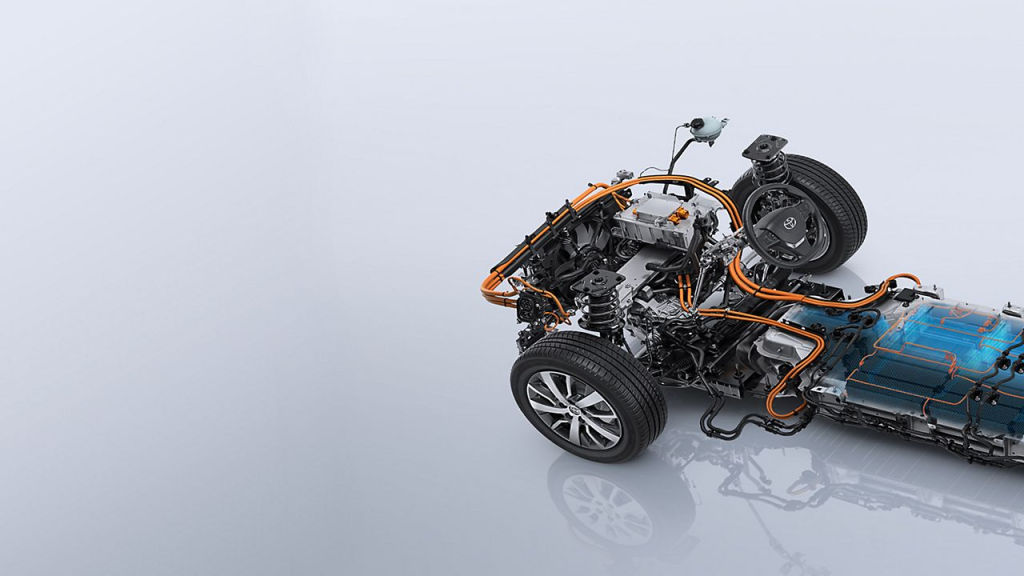
Your request for a more in-depth exploration of Toyota’s electric vehicle (EV) batteries is well-timed, considering the rapidly evolving landscape of EV technology. Let’s delve deeper into the mechanics that empower these sustainable machines:
Battery Building Blocks: Beyond Lithium-ion:
While lithium-ion (Li-ion) batteries currently dominate the EV market, Toyota isn’t just relying on this established technology. They’re actively exploring and investing in next-generation options:
- Solid-state batteries: As you mentioned, these hold immense promise due to their higher energy density, faster charging times, and improved safety compared to Li-ion. Toyota is heavily involved in research and development, aiming for commercialization in future EVs.
- Beyond Lithium: Toyota is also investigating alternative chemistries like lithium iron phosphate (LFP) batteries, known for their stability, affordability, and long lifespan. These could be suitable for specific EV applications where range isn’t the top priority.
Beyond the Cell: Thermal Management and Safety:
Individual battery cells are crucial, but efficient heat management is equally important for optimal performance and longevity. Toyota utilizes advanced thermal management systems with liquid cooling or air cooling, depending on the battery type and vehicle design. Additionally, rigorous safety measures are incorporated, including robust cell packaging, crash protection, and sophisticated monitoring systems to prevent overheating and potential hazards.
Charging Options: Convenience and Speed:
Toyota recognizes diverse charging needs and offers various options in their EVs:
- AC Charging: This is the most common, using standard home outlets or public charging stations for slower, overnight charging.
- DC Fast Charging: Dedicated stations enable significantly faster charging, ideal for quick top-ups on long journeys. Toyota is also exploring even faster charging technologies like ultra-fast charging, which could significantly reduce charging times in the future.
Battery Health and Degradation:
Battery degradation is a natural phenomenon, but Toyota takes steps to minimize it and maximize battery life:
- Battery Management Systems (BMS): These sophisticated systems monitor and control various battery parameters, ensuring optimal operating conditions and preventing harmful practices like overcharging.
- Preconditioning: Some Toyota EVs feature preconditioning systems that prepare the battery for optimal charging temperatures, reducing stress and extending lifespan.
Sustainability Throughout the Lifecycle:
Toyota is committed to responsible battery sourcing, usage, and end-of-life management:
- Sustainable Material Procurement: They collaborate with suppliers who prioritize ethical and environmentally responsible practices throughout the mining and refining processes.
- Battery Recycling: Toyota invests in research and development of efficient and responsible battery recycling technologies to minimize environmental impact and recover valuable materials.
Remember:
- EV battery technology is constantly evolving, and new breakthroughs are on the horizon.
- Different EV models offer varying battery capacities, charging options, and range capabilities.
- Choosing the right EV for your needs requires considering factors like driving habits, charging infrastructure availability, and budget.
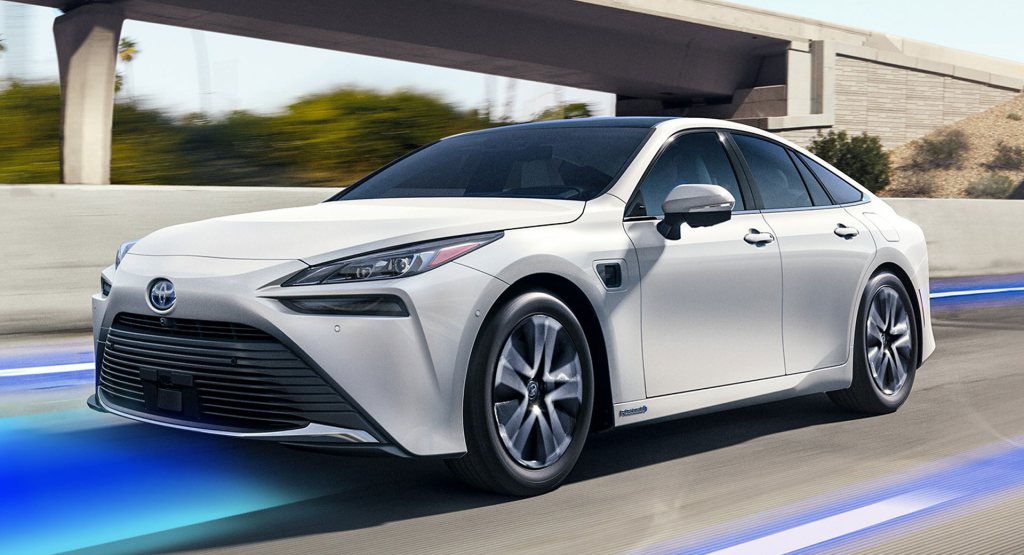
Toyota, a name synonymous with reliability and innovation, is at the forefront of exploring the transformative potential of artificial intelligence (AI) in the automotive industry. With a focus on personalized driving experiences, safety, and sustainability, Toyota’s AI ambitions reach far beyond just self-driving cars.
Beyond Automated Steering:
While Toyota is actively developing autonomous driving technologies, their vision for AI goes beyond simply replacing the driver. They envision a future where AI acts as a co-pilot, understanding and anticipating individual needs to create a more enjoyable, efficient, and safer driving experience for everyone.
Personalization at the Wheel:
Imagine an AI assistant that learns your driving habits, adjusts climate control and music preferences based on your mood, and suggests optimal routes considering traffic patterns and your personal driving style. This is the essence of Toyota’s personalized AI vision, aiming to transform your car into a truly customized space.
Enhancing Safety with AI:
Safety remains paramount for Toyota. AI-powered systems can analyze driving patterns, detect fatigue, and even predict potential accidents, prompting interventions to prevent them. Imagine an AI assistant gently reminding you to take a break or subtly adjusting steering to avoid an obstacle detected milliseconds before your reaction time.
Beyond the Driver:
Toyota’s AI ambitions extend beyond individual drivers. Imagine AI-powered traffic management systems that optimize traffic flow, reducing congestion and emissions. Or consider connected cars communicating with smart infrastructure, creating a safer and more efficient transportation ecosystem for everyone.
Ethical Considerations:
Toyota recognizes the ethical considerations surrounding AI development and deployment. They prioritize transparency, explainability, and responsible data usage to ensure AI systems are fair, unbiased, and contribute to a positive societal impact.
The Road Ahead:
Toyota’s AI journey is still unfolding, with ongoing research, development, and testing. However, their commitment to responsible innovation and collaboration with diverse stakeholders positions them as a leader in shaping the future of AI-powered mobility.
Connect with us

