


Fishing Trips Made Easy with Your Toyota
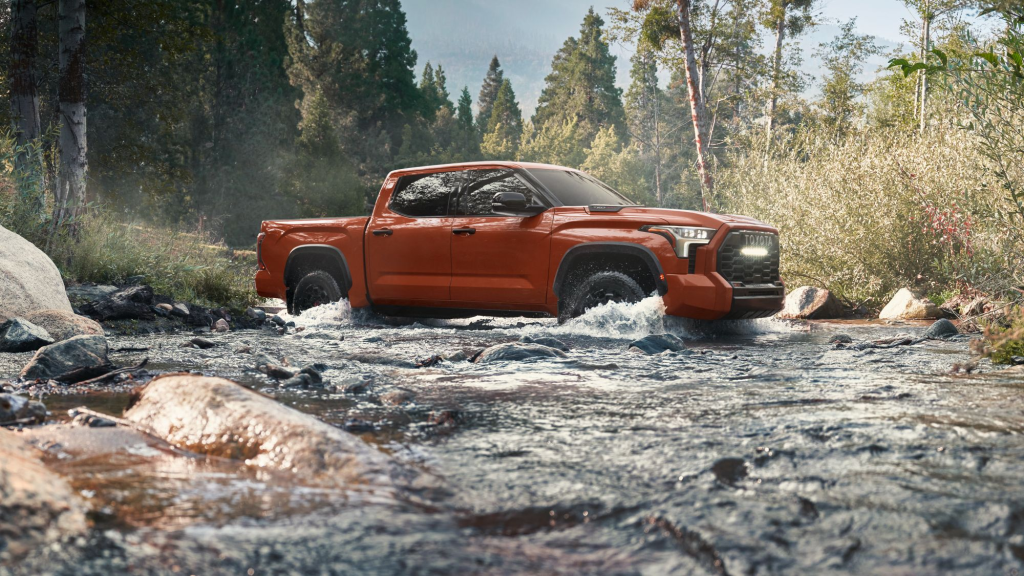
For anglers, there’s nothing quite like the thrill of casting a line, feeling the tug of a catch, and the serenity of being surrounded by nature. And with your trusty Toyota by your side, reaching hidden fishing spots and making the most of your day on the water becomes effortless. Here’s your guide to turning your Toyota into the ultimate fishing companion:
Gear Up for Success:
- Essential Tackle: Pack your rods, reels, lures, baits, tackle boxes, and any specialized equipment specific to your target fish. Don’t forget a net, pliers, and line cutters.
- Safety First: Life jackets, sunscreen, insect repellent, and a first-aid kit are crucial for ensuring a safe and enjoyable outing.
- Comfort Essentials: Pack coolers with food and drinks, comfortable chairs, and sun protection like hats and sunglasses. Consider mosquito nets or bug spray for extra comfort.
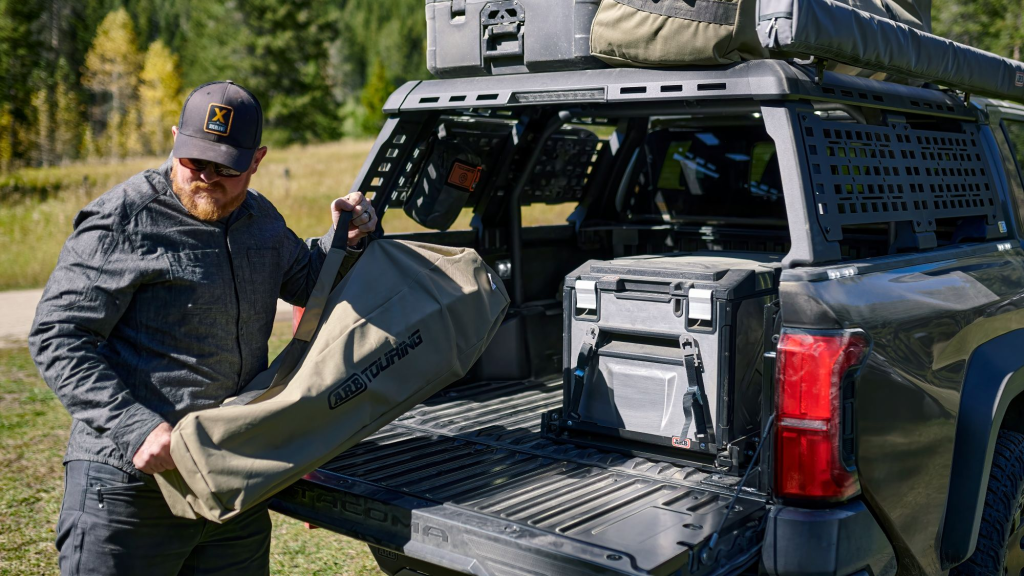
- Toyota-Specific Gear: Depending on your vehicle, explore roof racks or cargo boxes for bulky items like coolers or kayaks, and waterproof seat covers for muddy gear.
Maximize Your Toyota:
- Storage Solutions: Utilize bins, organizers, and nets to keep your gear readily accessible and prevent clutter in the car.
- Cleaning Up: Pack trash bags and wet wipes for easy cleanup after a messy day on the water.
- Fuel Efficiency: Maintain your Toyota for optimal fuel efficiency, especially if tackling long distances to reach remote fishing spots.
Hitting the Water:
- Research & Planning: Identify fishing spots based on your target species, difficulty level, and available amenities. Check local regulations, licensing requirements, and boat launch locations.
- Respect the Environment: Practice responsible fishing by following size and catch limits, releasing unwanted fish unharmed, and leaving no trace at the waterbody.
- Embrace the Adventure: Be prepared for changing weather conditions, unexpected detours, and the occasional snag. Part of the joy of fishing is adapting to the unpredictable nature of the experience.
Beyond the Basics:
- Kayak or Boat Transport: If your Toyota is equipped to tow a kayak or boat, ensure proper trailer hitching, lighting, and weight distribution. Familiarize yourself with safe launching and retrieval procedures.
- Off-Roading Access: For adventurous anglers, consider a Toyota 4×4 to reach remote, off-road fishing spots. Invest in proper recovery gear and practice responsible off-road driving techniques.
- Tech Enhancements: Explore fish finders, GPS navigation, and weather apps to optimize your fishing experience and locate promising spots.
Remember:
- Safety First: Always prioritize your safety and the safety of others on the water.
- Respect the Environment: Leave no trace and be a responsible steward of the waterways.
- Enjoy the Journey: Embrace the adventure, appreciate the beauty of nature, and savor the feeling of a successful catch (or even just the peaceful serenity of casting a line).
With the right planning, preparation, and your Toyota as your reliable companion, your fishing trips will be filled with memories that reel you back for more!
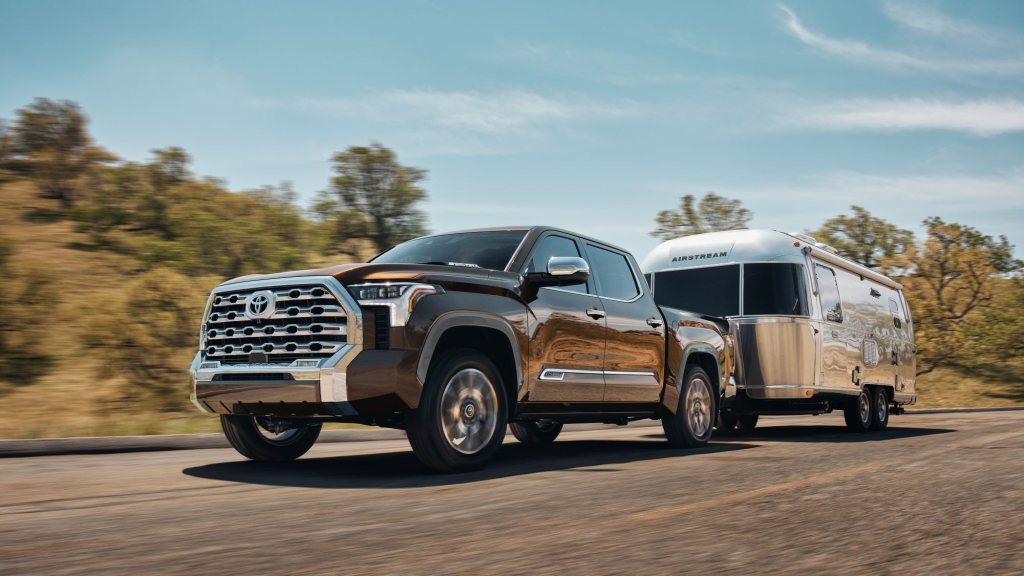
The allure of the open road, the freedom to explore at your own pace, and the comfort of your own mobile home – that’s the dream for many road trip enthusiasts. And with a Toyota camper conversion, you can turn that dream into reality. But before you embark on this amazing journey, here are some crucial tips to consider:
Planning & Budgeting:
- Define Your Needs: Start by defining your travel style, budget, and intended duration of road tripping. This will guide your conversion choices and ensure your camper suits your lifestyle.
- Research & Inspiration: Immerse yourself in the world of camper conversions! Explore online forums, blogs, and social media groups to discover different approaches, layouts, and solutions.
- Set a Realistic Budget: Factor in vehicle purchase, conversion costs (materials, labor if needed), and ongoing expenses like fuel, maintenance, and campsite fees. Remember, unforeseen costs can arise, so plan for a buffer.
Choosing Your Toyota:
- Popular Options: Toyota Siennas, 4Runners, Tacomas, and Sequoias are popular choices due to their size, reliability, and fuel efficiency. Consider passenger capacity, cargo space, and off-road capabilities based on your needs.
- Inspect Thoroughly: Before purchasing a used vehicle, get a comprehensive mechanical inspection to ensure its roadworthiness and avoid potential breakdowns on the road.
The Conversion Process:
- DIY vs. Professional: Decide if you’ll tackle the conversion yourself or hire professionals. While DIY offers personalization and cost savings, it requires time, skills, and tools. Professionals ensure quality and expedite the process but come at a higher cost.
- Key Considerations: Plan your layout for sleeping, cooking, storage, and essential amenities. Research insulation, ventilation, electrical systems, water storage, and waste disposal options to ensure comfort and functionality.
- Legality & Safety: Always comply with local regulations regarding vehicle modifications and safety standards. Utilize high-quality materials and prioritize safety features like secure sleeping areas, proper ventilation, and functional fire extinguishers.
Living on the Road:
- Organization is Key: Utilize space-saving solutions like shelves, cabinets, and storage bins to keep your camper organized and clutter-free.
- Embrace Minimalism: Pack light and prioritize multi-functional items. Ditch unnecessary gear and focus on essentials for cooking, sleeping, and enjoying your adventures.
- Become Resourceful: Learn basic maintenance tasks for your vehicle and camper systems. Apps and online communities can be valuable resources for troubleshooting and finding solutions on the go.
- Respect the Environment: Leave no trace by practicing responsible waste disposal, minimizing water usage, and respecting sensitive ecosystems.
Additional Resources:
- National Park Service: https://www.nps.gov/
- Bureau of Land Management: https://www.blm.gov/
- The Dyrt Camping App: https://support.thedyrt.com/hc/en-us
- Overland Expo: https://www.overlandexpo.com/
Hiking and Biking: Toyota’s Guide to Carrying Gear
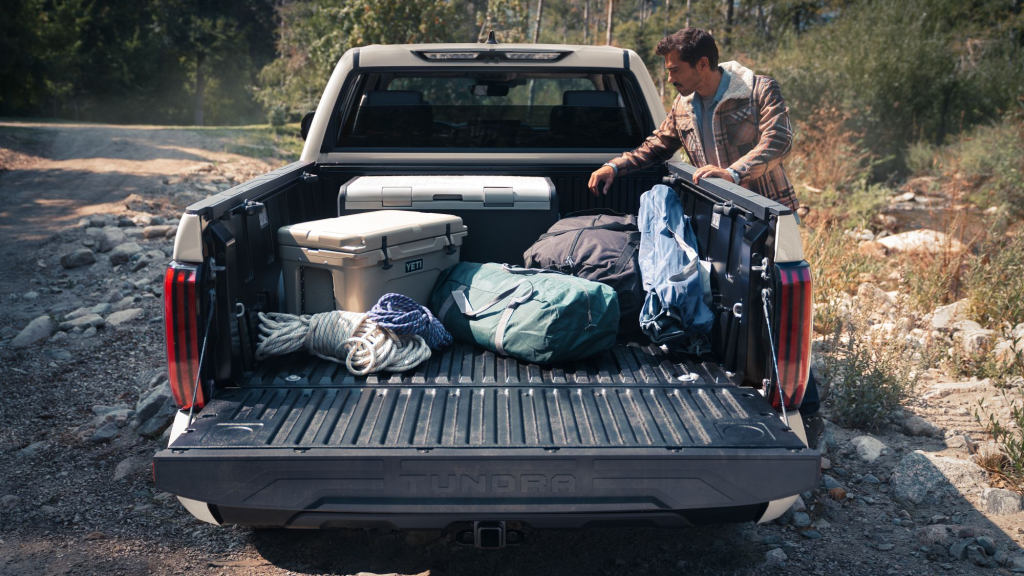
Your Toyota isn’t just a vehicle; it’s your gateway to adventure. Whether you’re scaling mountains on foot or conquering backroads on two wheels, carrying the right gear is crucial for a safe and enjoyable experience. Here’s Toyota’s guide to packing smart and maximizing your car’s potential for your next hiking or biking adventure:
Hiking Essentials:
Packing for Comfort:
- Backpack: Choose a comfortable and well-fitting backpack with adequate ventilation and adjustability. Consider the weight and volume you’ll be carrying.
- Clothing: Pack layers for changing weather, including a waterproof shell, breathable base layers, and insulating mid-layers. Sturdy hiking boots with good traction are essential.
- Hydration: Bring a reusable water bottle or hydration pack to stay hydrated throughout your hike.
- Food: Pack nutritious and energy-dense snacks like nuts, dried fruits, and granola bars.
- Navigation: Pack a map, compass, and/or GPS device for even unfamiliar trails. Don’t rely solely on your phone’s battery.
- First-aid kit: Be prepared for minor injuries with a well-stocked first-aid kit.
- Safety essentials: Pack sunscreen, insect repellent, a headlamp, and a whistle for emergency signaling.
Maximize Your Toyota:
- Roof Rack or Cargo Box: Utilize a roof rack or cargo box to transport bulky items like tents, camping chairs, or coolers without sacrificing space inside the car. Ensure proper weight distribution and secure all items.
- Cargo Organizers: Keep your car clutter-free and gear easily accessible with cargo organizers, bins, or nets.
- Seat Covers: Protect your car’s interior from dirt, mud, and sand with waterproof seat covers, especially if you’ll be transporting sweaty clothes or muddy gear.
Biking Essentials:
Safety First:
- Helmet: Always wear a properly fitting helmet for maximum protection.
- Bike Tools & Pump: Pack a basic bike repair kit and a pump to address minor mechanical issues on the trail.
- Hydration & Nutrition: Similar to hiking, stay hydrated and fueled with water, energy drinks, and snacks.
Maximize Your Toyota:
- Bike Rack: Choose a bike rack that safely and securely mounts your bike(s) to your Toyota. Consider hitch-mounted, roof-mounted, or trunk-mounted options based on your needs and vehicle compatibility.
- Bike Covers: Protect your bikes from the elements during travel with waterproof bike covers.
- Interior Protection: Similar to hiking, consider seat covers or mats if transporting muddy bikes inside your car.
Additional Tips:
- Plan your route: Research trail difficulty, length, and weather conditions before heading out.
- Leave no trace: Pack out all trash and respect the environment.
- Share your plans: Inform someone about your route and expected return time.
- Be prepared for emergencies: Have a plan in case of unexpected situations, like getting lost or injured.
Beach Bound in Your Toyota: Oregon Coast Must-Visits

The Oregon Coast, with its windswept beaches, dramatic cliffs, charming towns, and abundant wildlife, is a haven for outdoor enthusiasts and road trip warriors alike. Buckle up in your trusty Toyota and embark on an unforgettable adventure along this scenic wonderland. Here are some must-visit spots to include on your itinerary:
Cannon Beach:
This iconic beach boasts the Haystack Rock, a 235-foot tall sea stack teeming with diverse birdlife. Explore tide pools teeming with marine creatures, stroll along the sandy beach, or fly a kite against the backdrop of the Pacific Ocean.
Ecola State Park:
Just north of Cannon Beach, this park offers stunning coastal views, lush forests, and diverse hiking trails. Hike to the top of Tillamook Head for panoramic vistas or explore tide pools at Indian Beach.
Samuel H. Boardman State Scenic Corridor:
Drive along this scenic highway, marveling at dramatic rock formations like Thor’s Well and Arch Rock. Hike to secluded beaches like Secret Beach or wander through the Sitka spruce forests.
Newport:
This bustling harbor town offers fresh seafood, maritime history, and a variety of outdoor activities. Visit the Oregon Coast Aquarium, explore the Hatfield Marine Science Center, or stroll along the scenic waterfront.
Yachats:
This charming town nestled between rolling hills and the ocean is known for its art galleries, quirky shops, and stunning beaches. Hike to Cape Perpetua for breathtaking views or explore tide pools at Yachats Oceanarium.
Bandon:
This southern Oregon gem boasts miles of sandy beaches, world-class golf courses, and a vibrant art scene. Hike the Face Rock Trail for tide pool exploration or visit the Coquille River Estuary for birdwatching.
Beyond the Beaches:
While the beaches are the main attraction, don’t miss these hidden gems:
- Thor’s Well: Witness the power of the ocean as waves crash into this natural wonder near Cape Perpetua.
- Multnomah Falls: Hike to the base of this iconic waterfall, one of the tallest in the United States.
- Cape Meares Lighthouse: Climb the spiral staircase to the top of this historic lighthouse for stunning ocean views.
Tips for Your Beach Trip:
- Respect the environment: Leave no trace, pack out all trash, and avoid disturbing wildlife.
- Dress in layers: Oregon weather can be unpredictable, so be prepared for changes in temperature and wind.
- Check tide tables: Plan your beach activities around the tides to ensure safe and enjoyable experiences.
- Obey local regulations: Be mindful of beach closures, parking restrictions, and leash laws for pets.
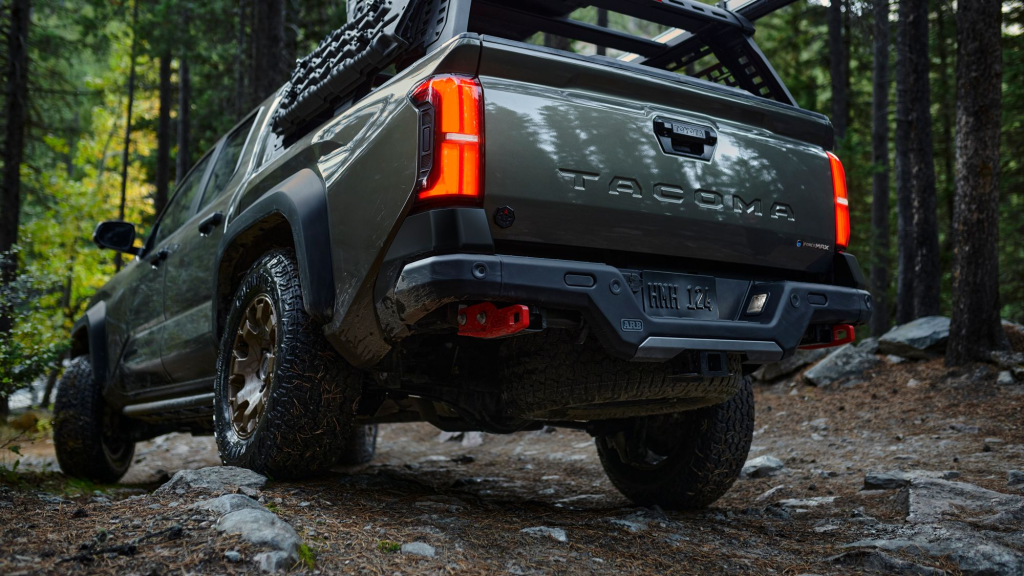
The winter chill sets in, the first snowflakes blanket the mountains, and the thrill of carving fresh powder fills the air. It’s ski season, and your trusty Toyota is your chariot to a winter wonderland adventure! But before you hit the road, make sure you’re packed to the brim for an enjoyable and hassle-free trip.
This comprehensive guide will ensure you have everything you need for a smooth and comfortable ski vacation, whether you’re a seasoned skier or a first-timer.
Packing for Performance:
- Ski Gear: The foundation of your ski trip, pack your skis, boots, poles, helmet, goggles, and any other essential equipment you use. Don’t forget to pack base layers, mid-layers, and a waterproof ski jacket and pants to stay warm and dry on the slopes.
- Après-Ski Essentials: Pack comfortable and warm clothes for après-ski activities like relaxing by the fireplace, exploring the village, or enjoying a delicious meal. Don’t forget waterproof shoes or boots for navigating snowy walkways.
- Safety First: Pack a well-stocked first-aid kit, sunscreen, lip balm, and hand warmers to stay prepared for any minor mishaps or weather changes.
Car Care and Comfort:
- Winterize Your Toyota: Ensure your Toyota is ready for winter driving. Get a fresh oil change, check tire pressure and tread depth, top up antifreeze, and consider adding snow tires for optimal traction.
- Pack Smartly: Utilize cargo organizers, roof racks, or a ski box to maximize space efficiently and keep your car clutter-free. This also ensures easy access to your gear when you arrive at the resort.
- Creature Comforts: Pack blankets, pillows, and travel mugs for cozy rides. Entertainment options like books, games, or portable chargers can keep passengers occupied during long journeys.
Additional Tips:
- Check the Weather: Research the weather forecast for your destination and pack accordingly. Be prepared for changing conditions and pack extra layers if needed.
- Plan Your Route: Map out your journey and consider potential traffic delays, especially during peak season. Allow ample time for travel and unexpected stops.
- Embrace the Adventure: Be flexible and spontaneous. Embrace the unexpected detours, charming towns, and wintery wonders you might encounter along the way.
Bonus Packing List:
- Snacks and drinks for the road
- Phone charger and car mount
- Cash for tolls and incidentals
- Local guidebooks or maps
- Camera to capture winter memories
With this comprehensive guide and a little planning, you can ensure your Toyota is packed to perfection for an unforgettable ski adventure. So, buckle up, crank up the winter tunes, and hit the road for a season of snowy fun and adventure!
The Pacific Northwest boasts breathtaking landscapes, from towering mountains and lush forests to rugged coastlines and hidden valleys. But to truly experience the region’s hidden gems, you need a vehicle that can handle more than just pavement. That’s where your trusty Toyota 4×4 comes in!
Here at Gresham Toyota, we know our customers love adventure, and we’re passionate about helping you make the most of it. So, buckle up as we explore some of the best off-road trails near Gresham, perfect for putting your Toyota 4×4 to the test:
For the Family Adventurer:
- Flagstaff Hill Trail: With panoramic views of the Columbia River Gorge and Mount Hood, this moderate trail is ideal for beginners and families. Enjoy a leisurely 2-hour drive, stopping for picnics and photo opportunities along the way.
For the Thrill Seeker:
- Wildwood Recreation Area: This diverse playground offers trails ranging from easy to difficult, catering to all skill levels. Tackle challenging climbs, navigate through scenic forests, and discover hidden waterfalls – all within easy reach of Gresham.
For the Scenic Cruiser:
- Springwater Corridor Trail: This paved gem lets you soak in the beauty of the Cascade Mountains without compromising comfort. Cruise along the Springwater Creek, enjoying fresh air and stunning vistas – perfect for a relaxing weekend escape.
For the Hardcore Off-Roader:
- Larch Mountain: Not for the faint of heart, this challenging trail demands a high-clearance vehicle and experienced skills. But the reward? Breathtaking panoramic views that will leave you speechless. Remember, safety first!
For a Quick Dose of Adventure:
- Hole-in-the-Ground: This short and sweet trail offers a fun obstacle course perfect for beginners and kids. Take the whole family for an afternoon of off-road fun close to home.
Remember:
- Safety First: Always prioritize safety. Ensure your Toyota is properly equipped and maintained, and choose trails that match your skill level.
- Respect the Environment: Leave no trace, pack out all trash, and respect wildlife and local regulations.
- Plan Ahead: Check weather conditions, inform someone of your plans, and pack essentials like food, water, and a first-aid kit.
Performance Chips and ECU Tuning for Your Toyota

Potential Benefits:
- Increased Horsepower and Torque: Some performance chips and ECU tunes claim to offer power gains by adjusting engine parameters like fuel injection and ignition timing. However, these gains may be modest and vary depending on the specific model and tune.
- Improved Fuel Efficiency: In some cases, ECU tuning can optimize engine performance for better fuel economy, but this is not guaranteed and depends heavily on driving habits and specific modifications.
Potential Risks and Drawbacks:
- Safety Concerns: Improperly installed or aggressive tunes can compromise your engine’s safety and reliability, leading to potential breakdowns or damage.
- Warranty Voiding: Most manufacturers void warranties on vehicles with aftermarket performance modifications, leaving you responsible for any repair costs.
- Legal Issues: Modifications that alter emission levels or exceed noise regulations can be illegal and result in fines or penalties.
- Performance Inconsistencies: Not all tunes are created equal, and some may cause unpredictable performance issues or negatively impact drivability.
Alternatives to Consider:
Instead of ECU tuning, here are some safer and more reliable ways to enhance your Toyota’s performance:
- Regular Maintenance: Ensure your Toyota is properly maintained with genuine parts and recommended fluids to optimize its performance within its intended capabilities.
- Performance Air Filters: Upgrade to high-performance air filters for better airflow without compromising engine protection.
- Spark Plugs & Ignition System: Ensure your spark plugs and ignition system are functioning optimally. Replacing them with high-performance equivalents within manufacturer specifications can improve engine response and efficiency.
- Lightweight Components: Consider replacing heavier components like wheels with lighter alternatives for improved acceleration and handling, while ensuring they maintain safety standards and fit your vehicle properly.
The Ultimate Guide to Toyota 4×4 Upgrades
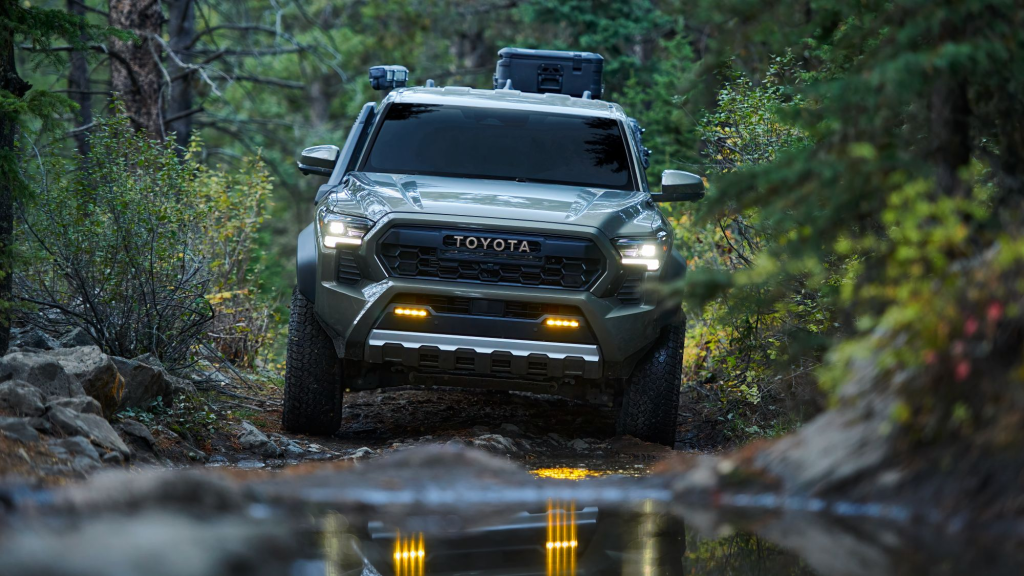
Owning a Toyota 4×4 means owning a passport to adventure. But whether you’re a seasoned off-roader or a weekend warrior dipping your toes into the dirt, there’s always room for improvement. This guide will equip you with the knowledge to choose the right upgrades for your Toyota 4×4, taking your off-road experience to the next level.
Assess Your Needs & Budget:
Before diving in, ask yourself:
- What type of off-roading do you plan to do (light trails, rock crawling, overlanding)?
- What are your skill level and comfort zone?
- What’s your budget for modifications?
These answers will guide your upgrade choices and ensure you don’t overspend on unnecessary features.
Essential Upgrades for Every Toyota 4×4:
- Skid Plates: Protect your undercarriage from rocks and debris with steel or aluminum skid plates for the engine, differential, and transfer case.
- Recovery Points: Equip your Toyota with sturdy recovery points on the front and rear for winching and towing purposes.
- All-Terrain Tires: Swap your stock tires for aggressive all-terrain or mud-terrain tires with deeper treads for improved traction and grip on loose surfaces.
- Suspension Lift Kit (Optional): Gain ground clearance for tackling steeper inclines and uneven terrain. Choose a moderate lift (2-3 inches) to maintain balanced handling.
Level Up Your Off-Roading Prowess:
Once you’ve covered the basics, consider these performance-enhancing upgrades based on your needs:
For Increased Traction & Clearance:
- Locking Differentials: Distribute power evenly to all wheels for maximum traction in challenging terrain.
- Winch: Equip yourself with a winch for self-recovery or assisting others in difficult situations. Choose a winch with a pulling capacity exceeding your vehicle’s weight.
- Snorkel: Elevate your air intake to prevent water from entering the engine during deep water crossings.
For Improved Handling & Performance:
- Heavy-Duty Shocks & Struts: Enhance handling and articulation on rough terrain with upgraded shocks and struts specifically designed for off-road use.
- Sway Bar Disconnects: Increase wheel travel and articulation for better maneuverability on extreme terrain (ensure legal compliance in your area).
- Rock Sliders: Protect your rocker panels and doors from damage while rock crawling.
Remember:
- Safety First: Prioritize safety over any performance gains. Ensure upgrades comply with safety regulations and maintain your vehicle’s structural integrity.
- Legal Compliance: Research and adhere to local regulations regarding tire size, lift height, lighting modifications, and emission standards.
- Professional Installation: Complex modifications like lift kits and winches are best left to experienced mechanics familiar with your Toyota model.
- Start Small & Gradually Upgrade: Don’t overwhelm yourself; start with essential mods and gradually upgrade as your skills and budget allow.

Your Toyota is more than just a vehicle; it’s an extension of your personality. So why not personalize it to reflect your unique style? While outlandish modifications might grab attention, remember responsible and tasteful customization leads to a truly head-turning ride. Here are some ideas to inspire your aesthetic modding journey:
Exterior Enhancements:
- Subtle Touches: Add a touch of class with chrome accents, tinted windows, or stylish mud flaps. Opt for colors that complement your car’s paint job.
- Wheel Transformations: Upgrading your wheels can significantly alter your Toyota’s appearance. Choose rims that suit your style, be it sporty alloys, classic chrome options, or rugged off-road designs. Ensure they fit your car properly and comply with legal size limitations.
- Exterior Lighting: Replace standard bulbs with stylish LEDs for a modern look. Consider fog lights for improved visibility or underglow lighting for a unique nighttime presence. Remember to adhere to local regulations regarding lighting colors and brightness.
- Vinyl Graphics & Wraps: Express your creativity with tasteful vinyl decals or even a full car wrap. Explore designs, patterns, or logos that showcase your interests or hobbies.
- Exterior Accessories: Roof racks, bike carriers, or running boards can add functionality and visual appeal. Choose accessories that complement your overall aesthetic and intended use.
Interior Transformations:
- Seat Covers & Floor Mats: Invest in seat covers and floor mats that protect your interior and reflect your style. Opt for leather, fabric, or custom-printed options.
- Steering Wheel Cover & Shift Knob: Upgrade these frequently touched elements with materials like leather, wood, or carbon fiber for a more personalized feel. Ensure they fit your car model and don’t compromise safety features.
- Interior Lighting: Swap standard bulbs for LEDs in the cabin for a brighter and more modern ambiance. Explore color-changing options to personalize the mood.
- Audio System Upgrade: Enhance your driving experience with a sound system upgrade. Consider new speakers, subwoofers, or even a touchscreen head unit for improved audio quality and infotainment features.
- Personal Touches: Add decorative elements like phone holders, air freshener clips, or custom dashboard accessories that reflect your personality.
Fuel Efficiency Mods: Boosting Your Toyota’s MPG
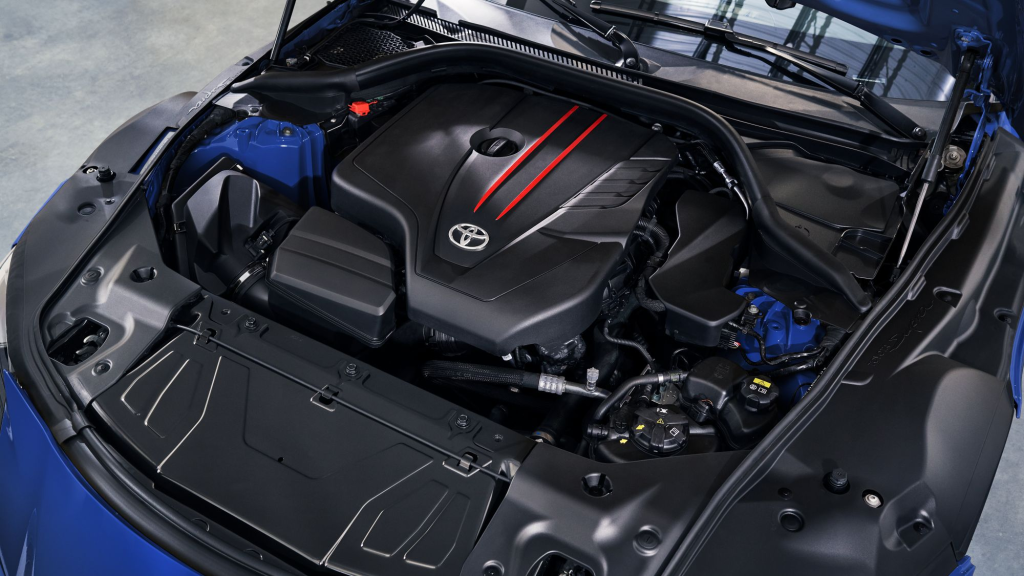
With gas prices on the rise, everyone’s looking for ways to squeeze more miles out of their gallon. While some modifications promising significant fuel efficiency gains might seem tempting, it’s crucial to prioritize safety, legal compliance, and responsible practices over potentially risky alterations.
Here are some safe and effective ways to boost your Toyota’s MPG:
Maintenance Matters:
- Regular Maintenance: The most significant impact on fuel efficiency often comes from meticulous upkeep. Follow your Toyota’s recommended service schedule, using high-quality fluids and genuine parts.
- Air Filter: Ensure your air filter is clean and functioning properly. A clogged filter restricts airflow, reducing engine efficiency and gas mileage.
- Spark Plugs & Ignition System: Faulty spark plugs or ignition system issues can hinder complete combustion, leading to wasted fuel. Replacing them with high-performance equivalents within manufacturer specifications can improve fuel economy.
- Tire Pressure: Maintaining proper tire pressure, as recommended by your Toyota, reduces rolling resistance and improves fuel efficiency. Check your tire pressure regularly, especially before long trips.
Smart Driving Habits:
- Eco-Conscious Driving: Avoid aggressive acceleration, maintain a steady speed, and anticipate stops to minimize braking. Utilize cruise control on highways for consistent speed and optimal fuel efficiency.
- Reduce Weight: Remove unnecessary weight from your car. Every pound counts, so declutter your trunk and remove roof racks or bike carriers when not in use.
- Planning & Optimization: Plan your trips efficiently, combining errands and avoiding unnecessary travel. Utilize fuel-efficient routes suggested by navigation apps.
Consider Professional Guidance:
- Professional Consultations: Seek advice from qualified mechanics or performance shops familiar with your Toyota model and its potential for safe and legal fuel efficiency improvements. They can tailor recommendations based on your driving habits and goals.
- Official Toyota Accessories: Explore manufacturer-backed fuel-saving options like aerodynamic add-ons or underbody panels designed for your specific Toyota model. These options offer efficiency gains while maintaining warranty coverage.
Connect with us

