


Feb 19, 2024
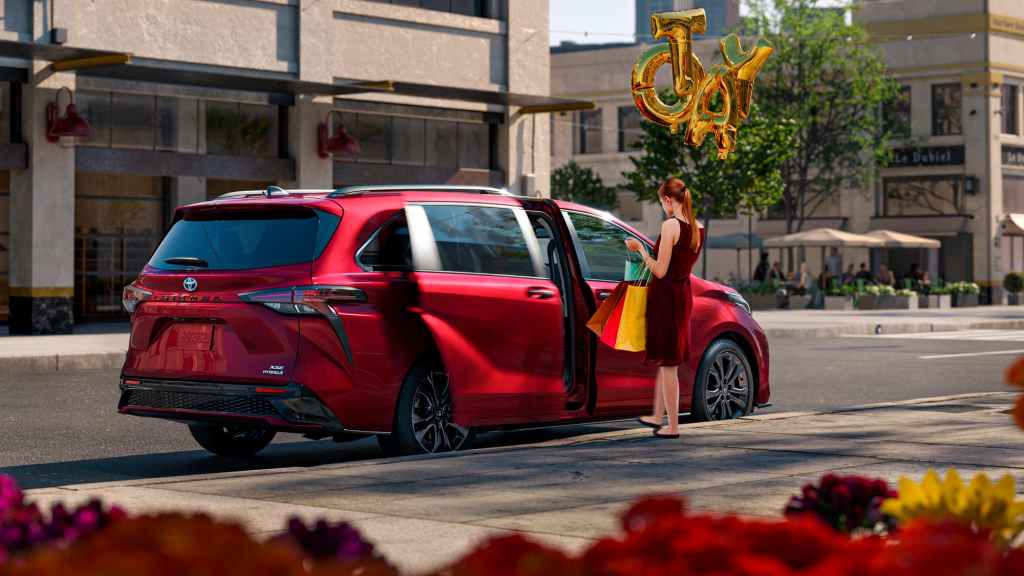
Congratulations on considering a Toyota! Whether you’re drawn to their legendary reliability, fuel efficiency, or safety features, you’re exploring a brand known for delivering value. But an important decision remains: lease or buy? Each option has its pros and cons, and the best choice depends on your individual needs and preferences.
Let’s delve into the key factors to consider:
Financial Concerns:
- Monthly Payments: Lease payments are typically lower than purchase payments, thanks to financing only a portion of the car’s value. However, you’ll never own the car at the end.
- Down Payment: Buying requires a down payment, while leasing often requires minimal upfront costs. Consider your available funds and long-term budget.
- Residual Value: Research your desired Toyota’s projected residual value (what it’s worth after the lease). A high residual value might make buying more attractive in the long run.
Driving Habits:
- Mileage: Leases have annual mileage limits. If you drive extensively, exceeding the limit can result in hefty fees. Buying removes mileage restrictions but increases fuel and maintenance costs.
- Customization: Leasing typically restricts modifications, while buying grants you ownership freedom. Decide if personalization is important.
- Wear and Tear: Lease agreements have strict wear-and-tear guidelines. Buying means you’re responsible for all repairs and maintenance.
Lifestyle and Needs:
- Commitment: Leases offer shorter terms (2-4 years), providing flexibility as your needs change. Buying is a longer-term commitment (5-7 years on average).
- Warranty Coverage: Both options usually come with factory warranties, but leased cars often have extended coverage. Consider your risk tolerance and comfort with potential repair costs.
- Depreciation: Cars depreciate in value over time. Buying means absorbing this depreciation, while leasing shifts it to the leasing company.
Weighing the Options:
Here’s a simplified guideline:
- Lease if: You prioritize lower monthly payments, prefer frequent car upgrades, drive within mileage limits, and value warranty coverage.
- Buy if: You plan to keep the car long-term, want personalization freedom, drive extensively, prefer lower long-term costs, and are comfortable with potential repair expenses.
Connect with us

