


Feb 16, 2024
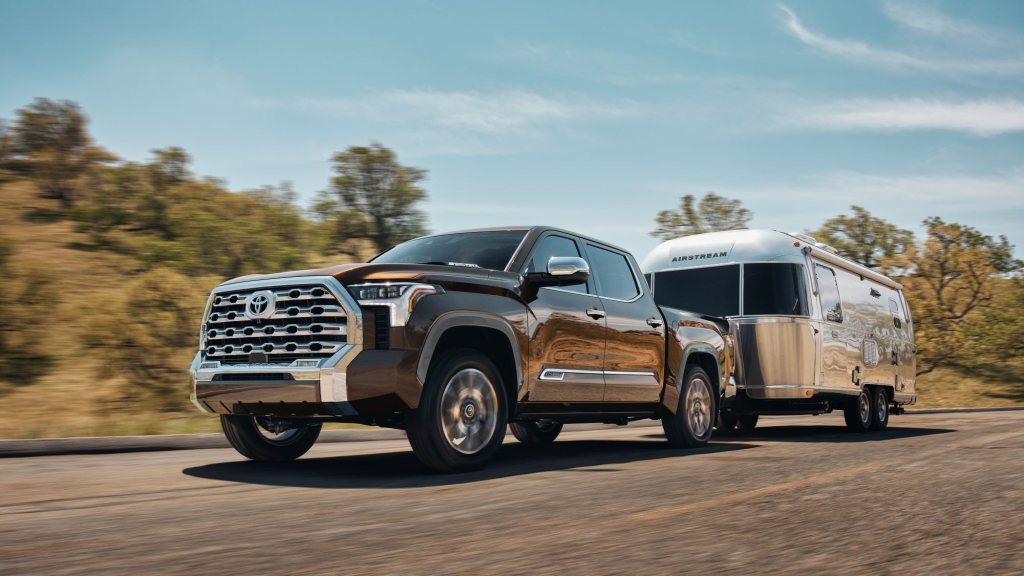
The allure of the open road, the freedom to explore at your own pace, and the comfort of your own mobile home – that’s the dream for many road trip enthusiasts. And with a Toyota camper conversion, you can turn that dream into reality. But before you embark on this amazing journey, here are some crucial tips to consider:
Planning & Budgeting:
- Define Your Needs: Start by defining your travel style, budget, and intended duration of road tripping. This will guide your conversion choices and ensure your camper suits your lifestyle.
- Research & Inspiration: Immerse yourself in the world of camper conversions! Explore online forums, blogs, and social media groups to discover different approaches, layouts, and solutions.
- Set a Realistic Budget: Factor in vehicle purchase, conversion costs (materials, labor if needed), and ongoing expenses like fuel, maintenance, and campsite fees. Remember, unforeseen costs can arise, so plan for a buffer.
Choosing Your Toyota:
- Popular Options: Toyota Siennas, 4Runners, Tacomas, and Sequoias are popular choices due to their size, reliability, and fuel efficiency. Consider passenger capacity, cargo space, and off-road capabilities based on your needs.
- Inspect Thoroughly: Before purchasing a used vehicle, get a comprehensive mechanical inspection to ensure its roadworthiness and avoid potential breakdowns on the road.
The Conversion Process:
- DIY vs. Professional: Decide if you’ll tackle the conversion yourself or hire professionals. While DIY offers personalization and cost savings, it requires time, skills, and tools. Professionals ensure quality and expedite the process but come at a higher cost.
- Key Considerations: Plan your layout for sleeping, cooking, storage, and essential amenities. Research insulation, ventilation, electrical systems, water storage, and waste disposal options to ensure comfort and functionality.
- Legality & Safety: Always comply with local regulations regarding vehicle modifications and safety standards. Utilize high-quality materials and prioritize safety features like secure sleeping areas, proper ventilation, and functional fire extinguishers.
Living on the Road:
- Organization is Key: Utilize space-saving solutions like shelves, cabinets, and storage bins to keep your camper organized and clutter-free.
- Embrace Minimalism: Pack light and prioritize multi-functional items. Ditch unnecessary gear and focus on essentials for cooking, sleeping, and enjoying your adventures.
- Become Resourceful: Learn basic maintenance tasks for your vehicle and camper systems. Apps and online communities can be valuable resources for troubleshooting and finding solutions on the go.
- Respect the Environment: Leave no trace by practicing responsible waste disposal, minimizing water usage, and respecting sensitive ecosystems.
Additional Resources:
- National Park Service: https://www.nps.gov/
- Bureau of Land Management: https://www.blm.gov/
- The Dyrt Camping App: https://support.thedyrt.com/hc/en-us
- Overland Expo: https://www.overlandexpo.com/
Connect with us

