


Feb 14, 2024
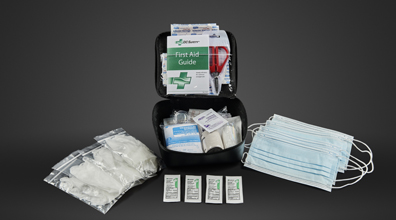
Being prepared for emergencies while on the road can bring peace of mind and potentially save lives. Here’s a guide to essential items for your Toyota, tailored to potential hazards in the Pacific Northwest:
Basic Emergency Kit:
- First-aid kit: Ensure it covers common injuries like cuts, burns, and sprains.
- Non-perishable food and water: Aim for a 3-day supply for each person, considering dietary needs and allergies.
- Multi-tool: Includes pliers, screwdriver, knife, can opener, etc. for repairs and basic tasks.
- Jumper cables: Start your car if the battery dies.
- Flashlight and extra batteries: Provide light in dark situations.
- Emergency blanket: Insulates against cold or heat.
- Cell phone charger: Stay connected for help or updates.
- Road flares or reflectors: Alert other drivers in case of breakdowns.
- Paper maps and compass: Navigation backup in case of GPS failure.
- Cash and ID: Useful for emergencies when electronic transactions are unavailable.
Winter Preparedness (November-March):
- Snow shovel: Clear snow around your car and dig yourself out if stuck.
- Winter traction mats or chains: Improve grip on snowy or icy roads.
- Warm clothes and gloves: Stay warm if stranded in cold weather.
- Sand or kitty litter: Add traction under tires if stuck in snow.
Summer Preparedness (June-August):
- Sunscreen and hats: Protect yourself from sun exposure.
- Sunglasses: Improve visibility and reduce glare.
- Extra water: Stay hydrated in hot weather.
- Emergency whistle: Attract attention if needed.
Additional Items:
- Fire extinguisher: For small fires.
- Multipurpose tool: Fix minor mechanical issues.
- Personal medications: Include any essential medications you require.
- Pet supplies: If traveling with pets, pack food, water, and other necessities.
- Entertainment: Books, games, or portable chargers can help pass time if stranded.
Remember:
- Adapt the kit: Consider specific needs based on your location, usual routes, and medical conditions.
- Check and update: Regularly inspect your kit, replacing expired items and ensuring everything is in working order.
- Store securely: Keep the kit easily accessible in the trunk or cabin, but not obstructing safe driving.
Connect with us

