


Feb 16, 2024
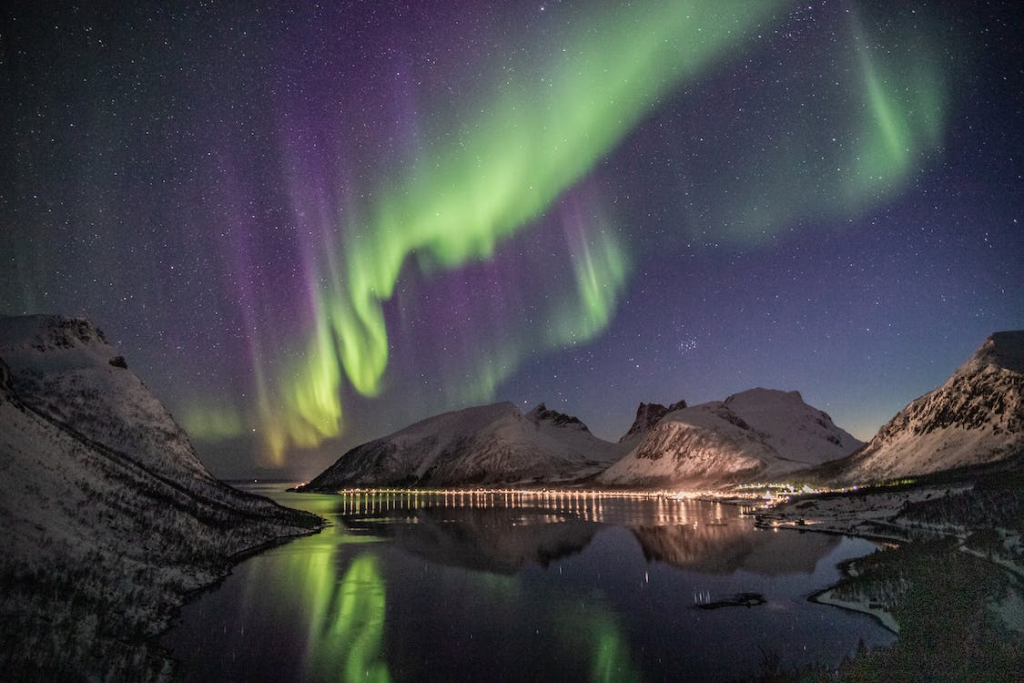
Oregon:
- Hart Mountain Observatory: Located in southeastern Oregon, Hart Mountain Observatory boasts some of the darkest skies in the lower 48 states. The observatory offers public stargazing programs and events throughout the year, making it a great option for beginners and experienced stargazers alike.
- Sheepshead Mountain Lookout: Perched atop the Ochoco Mountains in central Oregon, Sheepshead Mountain Lookout offers stunning panoramic views of the surrounding landscape. On a clear night, you can see millions of stars, planets, and even the Milky Way galaxy
- Lundeen Park: Located just outside of Bend, Lundeen Park is a popular spot for stargazing due to its dark skies and lack of light pollution. The park also has a large open area, making it perfect for setting up a telescope or stargazing blanket.
- Jubilee Lake Campground: Situated in the Deschutes National Forest, Jubilee Lake Campground offers stunning views of the night sky. The campground is also located near several hiking trails, making it a great option for a stargazing getaway.
- Aldrich Butte: Located in the Blue Mountains of eastern Oregon, Aldrich Butte offers some of the darkest skies in the state. The butte is also home to the Aldrich Point Observatory, which offers public stargazing programs on select nights.
Washington:
- Cosmic Campground: Located in the Okanogan National Forest, Cosmic Campground is a designated International Dark Sky Site. The campground offers stunning views of the Milky Way galaxy and other celestial objects.
- Hurricane Ridge: Located in Olympic National Park, Hurricane Ridge offers stunning views of the surrounding mountains and valleys. On a clear night, you can see millions of stars, planets, and even the Milky Way galaxy
- Goldendale Observatory: Located in the Columbia Hills State Park, Goldendale Observatory offers public stargazing programs and events throughout the year. The observatory also has a large telescope that you can use to view celestial objects up close.
- Maryhill Museum of Art: Located near Goldendale, Washington, the Maryhill Museum of Art has a beautiful outdoor amphitheater that is perfect for stargazing. The museum also offers stargazing programs on select nights.
- Fishtrap Lake Recreation Area: Located in the Gifford Pinchot National Forest, Fishtrap Lake Recreation Area offers stunning views of the night sky. The recreation area also has several campsites, making it a great option for a stargazing weekend getaway.
Tips for Stargazing:
- Escape light pollution: Look for areas with minimal light pollution, such as state parks, national forests, or designated dark sky sites.
- Plan your trip: Check the weather forecast and moon phase before you go. The best time to go stargazing is on a clear, moonless night.
- Bring the right gear: A star chart, flashlight, blanket, and warm clothes are all essential for a successful stargazing trip.
- Be patient: It takes your eyes about 20 minutes to adjust to the darkness, so be patient and give your eyes time to adjust before you start looking for stars.
- Respect the environment: Leave no trace and be mindful of wildlife when stargazing.
Connect with us

