


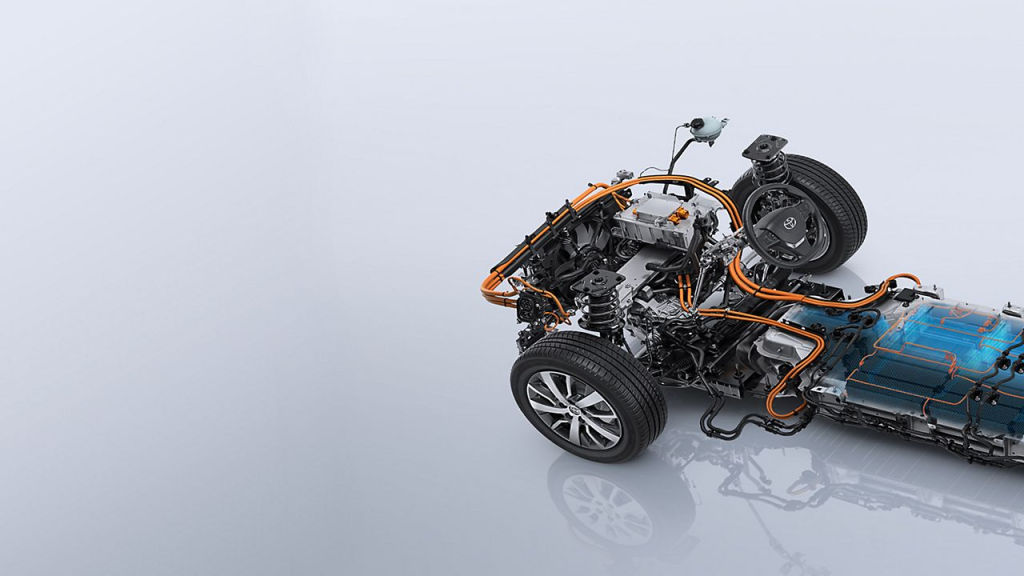
Your request for a more in-depth exploration of Toyota’s electric vehicle (EV) batteries is well-timed, considering the rapidly evolving landscape of EV technology. Let’s delve deeper into the mechanics that empower these sustainable machines:
Battery Building Blocks: Beyond Lithium-ion:
While lithium-ion (Li-ion) batteries currently dominate the EV market, Toyota isn’t just relying on this established technology. They’re actively exploring and investing in next-generation options:
- Solid-state batteries: As you mentioned, these hold immense promise due to their higher energy density, faster charging times, and improved safety compared to Li-ion. Toyota is heavily involved in research and development, aiming for commercialization in future EVs.
- Beyond Lithium: Toyota is also investigating alternative chemistries like lithium iron phosphate (LFP) batteries, known for their stability, affordability, and long lifespan. These could be suitable for specific EV applications where range isn’t the top priority.
Beyond the Cell: Thermal Management and Safety:
Individual battery cells are crucial, but efficient heat management is equally important for optimal performance and longevity. Toyota utilizes advanced thermal management systems with liquid cooling or air cooling, depending on the battery type and vehicle design. Additionally, rigorous safety measures are incorporated, including robust cell packaging, crash protection, and sophisticated monitoring systems to prevent overheating and potential hazards.
Charging Options: Convenience and Speed:
Toyota recognizes diverse charging needs and offers various options in their EVs:
- AC Charging: This is the most common, using standard home outlets or public charging stations for slower, overnight charging.
- DC Fast Charging: Dedicated stations enable significantly faster charging, ideal for quick top-ups on long journeys. Toyota is also exploring even faster charging technologies like ultra-fast charging, which could significantly reduce charging times in the future.
Battery Health and Degradation:
Battery degradation is a natural phenomenon, but Toyota takes steps to minimize it and maximize battery life:
- Battery Management Systems (BMS): These sophisticated systems monitor and control various battery parameters, ensuring optimal operating conditions and preventing harmful practices like overcharging.
- Preconditioning: Some Toyota EVs feature preconditioning systems that prepare the battery for optimal charging temperatures, reducing stress and extending lifespan.
Sustainability Throughout the Lifecycle:
Toyota is committed to responsible battery sourcing, usage, and end-of-life management:
- Sustainable Material Procurement: They collaborate with suppliers who prioritize ethical and environmentally responsible practices throughout the mining and refining processes.
- Battery Recycling: Toyota invests in research and development of efficient and responsible battery recycling technologies to minimize environmental impact and recover valuable materials.
Remember:
- EV battery technology is constantly evolving, and new breakthroughs are on the horizon.
- Different EV models offer varying battery capacities, charging options, and range capabilities.
- Choosing the right EV for your needs requires considering factors like driving habits, charging infrastructure availability, and budget.
Connect with us

