


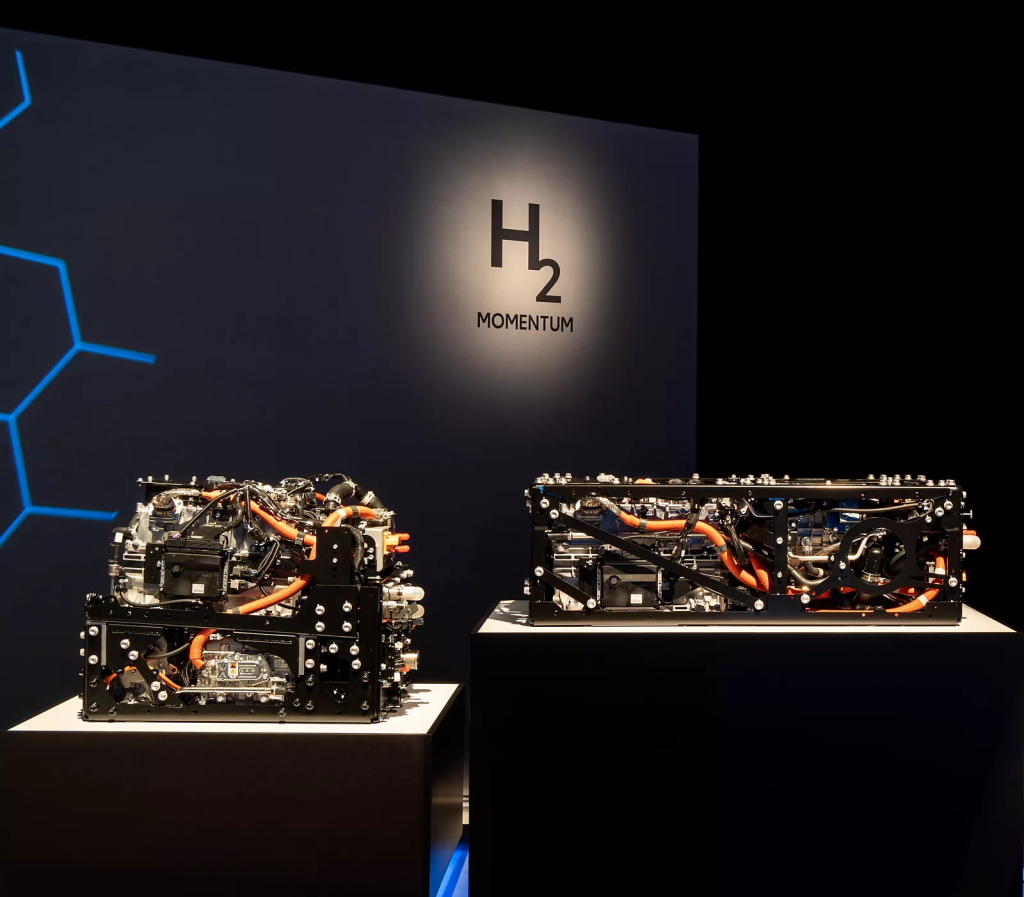
Remember those futuristic movies where cars ran on water? Well, Toyota has been making that vision a reality for over 30 years with its pioneering efforts in hydrogen fuel cell (FCV) technology. Buckle up, tech enthusiasts, as we explore the fascinating evolution of Toyota’s FCVs and their potential to revolutionize transportation.
The Early Days: Planting the Seeds of Innovation
Toyota’s FCV journey began in the late 1980s, driven by a vision of clean, sustainable mobility. Early prototypes like the RAV4 EV with a hydrogen fuel cell were stepping stones, paving the way for the world’s first mass-produced FCV, the Mirai, launched in 2014.
The Mirai: A Turning Point
The Mirai marked a significant milestone. This sleek sedan offered impressive features like:
- Zero tailpipe emissions: Powered by hydrogen and oxygen, the Mirai emits only water vapor, contributing to cleaner air and combating climate change.
- Extended range: With a driving range of over 300 miles, it addressed range anxiety, a major concern for early electric vehicles.
- Fast refueling: Refueling a Mirai takes about 5 minutes, similar to a gasoline car, making it a practical choice for daily driving.
Beyond the Mirai: Pushing the Boundaries
Toyota isn’t resting on its laurels. They continue to push the boundaries of FCV technology with advancements like:
- Second-generation Mirai: Launched in 2020, it boasts a sleeker design, increased range, and improved performance, demonstrating constant refinement.
- Cost reductions: Toyota is actively working to make FCVs more affordable, aiming to bring them closer to price parity with conventional gasoline cars.
- Infrastructure development: Collaborating with governments and companies, Toyota is expanding hydrogen refueling stations, addressing a key barrier to FCV adoption.
The Future of FCVs: A Brighter Horizon
While challenges remain, the future of FCVs looks promising:
- Versatile applications: Beyond passenger cars, FCVs have the potential to power trucks, buses, and even airplanes, contributing to decarbonizing various transportation sectors.
- Renewable hydrogen production: Advances in renewable energy generation methods like solar and wind power can make hydrogen production cleaner and more sustainable.
- Global collaboration: International partnerships and joint efforts are accelerating FCV development and deployment, paving the way for wider adoption.
Connect with us

